
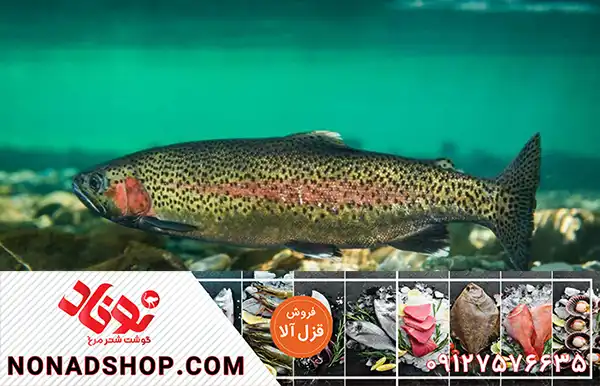
Iranian Salmon: The Caspian Sea’s Hidden Treasure on the Path to Global Export
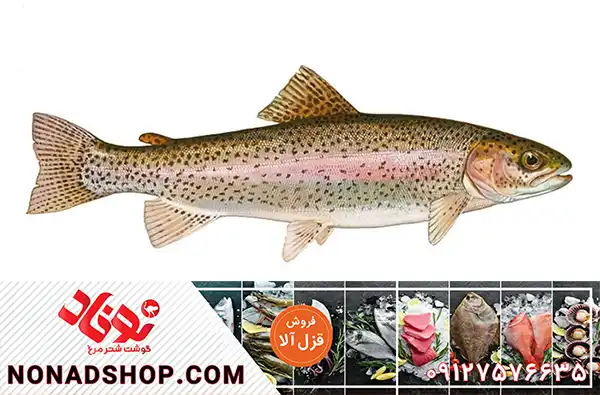
Executive Summary Iranian salmon, renowned for its exceptional quality and unique flavor, has the potential to become a premier export brand. This article explores practical strategies for developing international markets and transforming Caspian Sea salmon into a profitable commodity.
Introduction: A Golden Export Opportunity The Iranian salmon export industry stands on the brink of a major transformation. With global demand for high-quality, organic seafood on the rise, Caspian Sea salmon can capture a significant share of the international market.
Competitive Advantages of Iranian Salmon
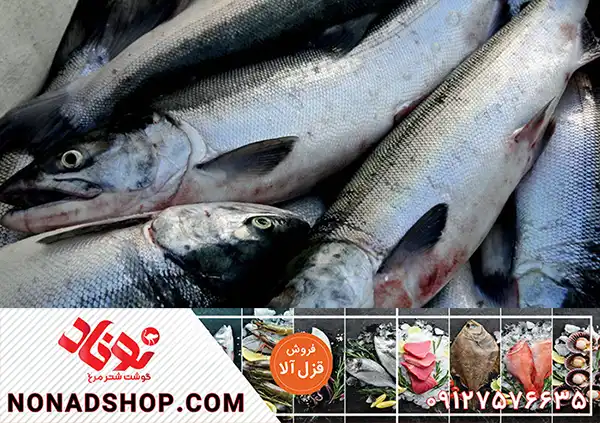
Unique Quality
-
Distinctive flavor due to the unique waters of the Caspian Sea
-
Dense flesh texture resulting from migration in northern Iranian rivers
-
High natural omega-3 content compared to many global competitors
Geographical Advantages
-
Access to Eurasian markets, including Russia, Turkey, and Eastern Europe
-
Iran’s strategic location for exports to the Middle East and Central Asia
-
Competitive production costs compared to European rivals
Analysis of Target Export Markets
Priority Markets
-
Gulf Cooperation Council (GCC) Countries
-
High demand for luxury food products
-
Recognition of Iranian brands
-
Short geographical distance
-
-
Eastern Europe and Russia
-
Similar fish consumption culture
-
Competitive pricing
-
Established trade relations
-
-
Turkey and Central Asia
-
Cultural and culinary similarities
-
Land borders to reduce transportation costs
-
Export Development Strategies
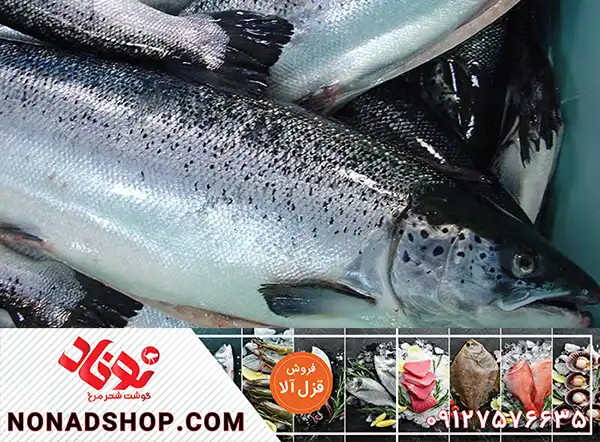
Standardization and Branding
-
Establishing national quality standards for Iranian salmon
-
Registering the collective brand “Iranian Salmon” in target markets
-
Obtaining international quality and organic certifications
Integrated Value Chain
-
Building modern processing plants compliant with European standards
-
Implementing smart packaging systems to extend shelf life
-
Developing cold chain logistics for export destinations
Proposed Business Models
-
B2B Model for Luxury Hotels and Restaurants
-
Direct supply to 5-star hotels in the region
-
Partnerships with international restaurant chains
-
-
Specialty Retail Model
-
Production of value-added products (flavored fillets, smoked salmon)
-
Luxury packaging for high-end markets
-
-
Digital Export Model
-
Online sales to foreign buyers
-
Utilization of international B2B platforms
-
Required Infrastructure
-
Processing Centers
-
Construction of processing plants in northern provinces
-
Equipping with HACCP and ISO 22000 systems
-
-
Logistics and Transportation
-
Expansion of cold chain transport fleet
-
Establishment of specialized terminals in northern ports
-
Challenges and Solutions
Main Challenges
-
Production instability due to environmental issues
-
Lack of international brand recognition
-
Logistical limitations
Strategic Solutions
-
Establishment of sustainable fish farms
-
Collaboration with international brands
-
Attraction of foreign investment in logistics
Case Study: International Success Norway’s Salmon Export Experience
-
Investment in scientific research
-
Unified national branding
-
Development of a complete value chain
Executive Roadmap Phase One (6 months)
-
Development of national standards
-
Pilot exports to neighboring countries
Phase Two (18 months)
-
Expansion of processing infrastructure
-
Entry into European markets
Phase Three (36 months)
-
Becoming a major regional player
-
Achieving a 15-20% market share in the Middle East


بدون دیدگاه