

Fish liver oil and his benefits in trade and export

Fish liver oil is an accessible and easy source of long-chain polyunsaturated fatty acids (PUFAs). These fatty acids play a significant role in human health and have important effects in preventing cardiovascular diseases, hypertension, and more. In this research, rainbow trout liver was used as one of the valuable fish by-products for oil extraction.
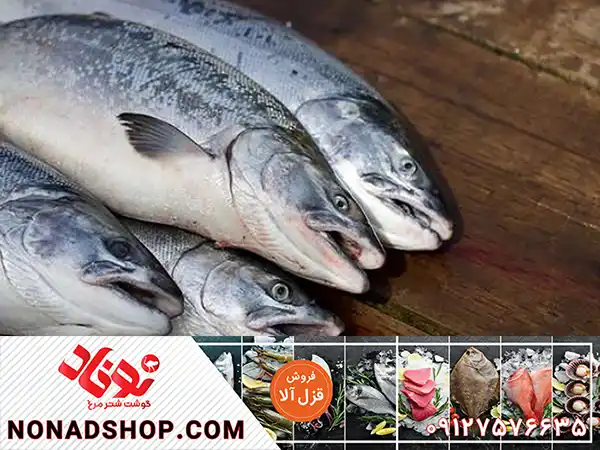
the oil extraction was initially carried out using the solvent method with a Soxhlet apparatus and normal hexane solution. The effects of parameters such as temperature, time, and volume of solvent used for extraction on the amount of oil extracted from rainbow trout liver were investigated. The extraction process was performed at temperatures of 50, 60, and 68°C and for durations of 1, 2, 3, and 4 hours. The variations in solvent volume (150, 200, and 250 ml) were also examined under optimal temperature and time conditions.
Finally, the direct effect of increasing temperature and time, and to a lesser extent the direct effect of increasing solvent volume, on increasing the amount of oil extracted from fish liver was determined. The optimal parameters for achieving the maximum amount of fish liver oil extraction were a temperature of 68°C, a duration of 4 hours, and a solvent volume of 150 ml, respectively. The maximum amount of oil extracted under these conditions was 2.9711 grams from 5 grams of the initial sample (rainbow trout liver powder).
Introduction

Over the past two decades, polyunsaturated fatty acids (PUFAs) have attracted significant interest among scientists due to their medicinal and nutritional properties (Razak et al. 2001). Fish consumption as a food substance is very common in many parts of the world due to geographical conditions that allow access to this food resource (Schacky and Weber 1986). Studies have shown that individuals with adequate fish consumption are less prone to cardiovascular diseases and related illnesses. The most important factor in this regard is the presence of omega-3 fatty acids in fish oil (Nardini et al. 1995).
Fish liver oil is highly important in terms of nutritional and medicinal value. In addition to containing essential PUFAs like omega-3 fatty acids and arachidonic acid (AA), it contains high amounts of fat-soluble vitamins A and D (Anon 1988). The primary roles of vitamin A in the body include the synthesis of visual pigments and consequently preventing night blindness (DeSouza et al. 1997). On the other hand, vitamin D is necessary for the formation of natural bones, facilitates the absorption of calcium and phosphorus from the intestines, and the deposition of calcium in bone tissue is a result of the action of this vitamin (Schmidt 1930).

Among various types of fish, rainbow trout is classified as a fatty fish, therefore it is rich in essential omega-3 PUFAs. Furthermore, using oil from fish like rainbow trout, which grow rapidly and have a lower probability of absorbing dangerous heavy metals, is important. This very fact has increased the necessity of consuming this fish (Lemerond 2008). On the other hand, rainbow trout grows and thrives well in the regional conditions of Iran and is among the highly consumed fish in the society, indicating easy and low-cost access to this valuable food resource.
Conversely, globally, about one-fourth of the total catch is discarded, and all these are considered fish waste and discards (Falch et al. 2006). Overall, in the fish processing industry in fisheries, parts of the fish such as skins, liver, head, backbone fins, viscera, and offal are discarded. However, fish liver constitutes an important part of fish waste, containing high amounts of the aforementioned fat-soluble vitamins and PUFAs of the omega family (omega-3, omega-6, and omega-9) (Aryee and Simpson 2009).
Fish liver oil has numerous medicinal and therapeutic properties and can improve the diseases and problems that modern societies face due to improper nutrition and nervous stresses. For example, the PUFAs present in fish liver oil play a significant role in the growth and development of the brain and nervous tissue of newborns. Primarily, this oil, which is processed and prepared in the form of dry tablets (encapsulated), is recommended by doctors because it reduces the risk of cardiovascular diseases, reduces the risk of common cancers of the prostate, colon, and breast, and also plays an important role in reducing rheumatoid arthritis (joint inflammation) and helping fetal health during pregnancy (Shahid Madani and Colleagues, 2011).
Various methods exist for obtaining and extracting fish oil and fish liver oil. One common method for extracting fish oil is using the Soxhlet system, which requires an organic solvent for the extraction process. In fact, the solvent-assisted extraction technique—Soxhlet separation of lipids from food products (including fish) and determining the total lipid content of the food material is more conventional (McClements 2003). Non-polar lipids (triacylglycerols, etc.) are easily extracted with non-polar solvents like hexane. Extraction with hexane is one very common method for determining total lipids in dried samples. Therefore, this method requires initial sample pretreatment (drying the sample) for better penetration of the solvent into the sample and increasing extraction efficiency (Shamsudin and Salimon 2006).
The operational parameters affecting extraction via Soxhlet—normal hexane solvent, are the temperature parameter, the duration of the extraction operation, and the volume of normal hexane solvent consumed. By investigating the effect of these parameters on the extraction amount and optimizing them, the optimal conditions for achieving the maximum amount of oil extraction can be determined. The present research has sought to investigate and determine these variable parameters by performing a series of experiments and clarify their effect on the amount of oil extraction from rainbow trout liver.





بدون دیدگاه