

Export of Iranian Chicken Feet to Japan
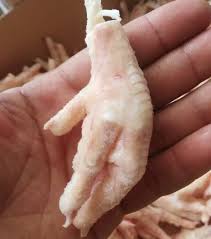
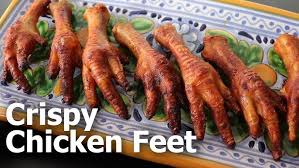
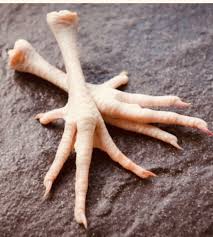
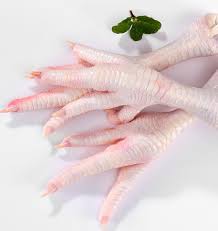
In recent years, the term “chicken feet” has evolved from being considered a food byproduct to becoming a profitable and strategic export commodity for Iran. Among the various global destinations, Japan stands out as one of the most attractive and high-value markets for Iranian chicken feet. However, entering this sensitive and lucrative market requires strict adherence to specific quality and safety standards.
Why the Japanese Market Matters for Iranian Chicken Feet
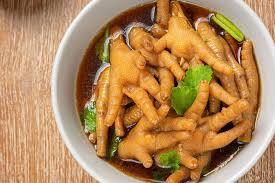
The Japanese, with their rich culinary culture and strong belief in the nutritional and therapeutic benefits of food, regard chicken feet as a rich source of collagen, calcium, and gelatin.
It is commonly used in soups, stews, broths, and both traditional and modern dishes. Due to limited domestic production, Japan has become one of the world’s largest importers of chicken feet. Thanks to Iran’s high quality and competitive pricing, it holds a promising position in this market.
Competitive Advantages of Iranian Chicken Feet for Export to Japan

-
High Quality and Natural Feed:
Iranian chickens are raised on quality corn and soybean feed, which directly affects the flavor, odor, and overall quality of the chicken feet.
-
Competitive Production Cost:
Due to Iran’s complete poultry production chain, the cost of Iranian chicken feet is much more economical compared to many international competitors.
-
Mass Production Capacity:
Iran is one of the largest poultry producers in the region, ensuring a stable and consistent supply to meet Japan’s market demand.
Japan’s Strict Standards and Requirements for Chicken Feet Imports
Accessing the Japanese market is impossible without understanding its strict standards, which include:
-
Health and Safety Standards (JAS, JFS):
All production and packaging facilities must have HACCP and ISO 22000 certifications. Compliance with GMP and GHP principles is mandatory throughout the production line.
-
Packaging Requirements:
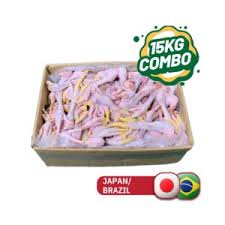
Chicken feet must be hygienically packed in Modified Atmosphere Packaging (MAP) or Individually Quick Frozen (IQF) formats, placed in standard cartons with full bilingual (Japanese and English) labels including production/expiry dates, weight, and country of origin.
-
Quality Control and Laboratory Tests:
Every shipment must be tested by accredited laboratories and confirmed to be free from antibiotics, hormones, and microbial contamination such as salmonella.
-
Mandatory Permits:
Exporters must obtain permits from Iran’s Veterinary Organization and approval from Japan’s Ministry of Health, Labour and Welfare (MHLW).
Steps for Exporting Chicken Feet from Iran to Japan
-
Procurement and Processing:
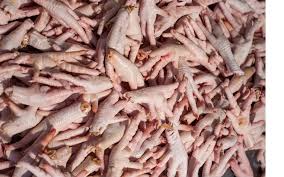
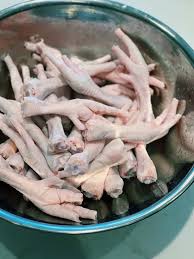
Collect fresh chicken feet from certified slaughterhouses and perform cleaning, scalding, peeling, and rapid freezing (Blast Freezing).
-
Obtaining Domestic Permits:
Secure a Health and Quarantine Certificate from Iran’s Veterinary Organization and a Standard Certificate from the National Standards Organization of Iran.
-
Packaging and Loading:
Package the product according to Japanese preferences and standards, then load it into refrigerated containers (Reefer Containers).
-
Obtaining International Health Certificates:
Acquire an official health certificate from Iran’s Veterinary Organization to be presented to Japanese authorities.
-
Transportation and Customs Clearance:
Ship the cargo via refrigerated vessels to major Japanese ports such as Tokyo, Yokohama, or Osaka, and complete customs clearance with all required documentation.
Challenges in Exporting Chicken Feet to Japan
-
High Sensitivity to Quality:
Even minor quality issues or hygiene concerns may lead to the rejection of an entire shipment and removal from Japan’s approved supplier list.
-
Competition from Other Exporters:
Countries like Brazil, Thailand, and China are already active in this market, making it crucial for Iran to maintain consistent quality to secure its share.
-
Logistical and Financial Complexity:
Refrigerated sea freight can be costly, and currency exchange fluctuations can affect profitability.
Conclusion

بدون دیدگاه