
Conditions for Exporting Quail Meat Using Refrigerated Containers
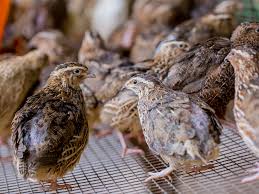
Given the increasing demand in global markets and the high quality of Iranian quail meat, adherence to standard export principles—particularly through the use of refrigerated containers—is essential for international success
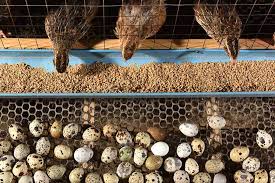
The process of exporting quail meat using refrigerated containers is a critical area for active traders. Failure to comply with standards can result in significant financial losses for merchants and will undoubtedly damage the export credibility of trading companies
Relying on its extensive experience in exporting this product worldwide, NONADSHOP can consistently serve as a reliable trade partner for merchants and buyers of this protein product. Leveraging its high logistical capacity in both maritime and air transportation, the company is prepared to cooperate with esteemed traders for the transfer and export of Iranian quail meat.

The Importance of Using Refrigerated Containers in Quail Meat Export
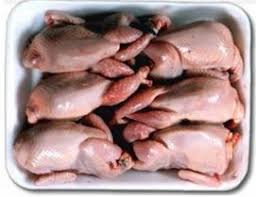
Due to its delicate texture and temperature sensitivity, quail meat requires special preservation conditions. The use of refrigerated containers guarantees that the product is maintained at an appropriate temperature from origin to destination, preventing spoilage and quality degradation. According to international standards, the optimal temperature for storing quail meat is below -18°C in a cold store with 90% humidity. Adherence to these conditions allows for storage for up to 360 days while preserving quality.
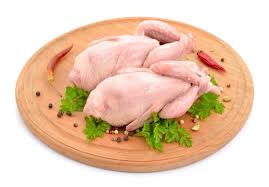
Stages of Exporting Quail Meat Using Refrigerated Containers
1. Processing and Packaging:
· After slaughter, quail meat must be thoroughly washed and disinfected.
· Packaging must comply with the standards of the destination country. Vacuum packaging or Modified Atmosphere Packaging (MAP) is typically used to preserve freshness.
2. Freezing and Storage:
· Quail meat must be frozen immediately after processing in a sub-zero cold store.
· The cold store temperature must remain constant to prevent the formation of ice crystals, which damage the product’s texture.
3. Loading into Refrigerated Containers:
· Refrigerated containers must be pre-cooled to -18°C before loading.
· Loading must be performed in a manner that preserves air circulation around the packages and ensures a uniform temperature.
4. Transfer and Transportation:
· During transportation, the container temperature must be continuously monitored to prevent fluctuations.
· The use of temperature and humidity tracking systems is recommended to ensure optimal conditions.
5. Obtaining Necessary Permits:
· Technical permit from the Ministry of Agriculture-Jahad and the Veterinary Organization.
· Currency approval permit from the Ministry of Agriculture-Jahad.
· Commodity ID for customs clearance.
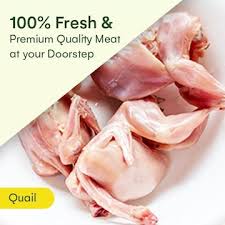
Target Markets and Export Challenges
· Target Markets: The Persian Gulf region, Central Asia, the European Union, and China are among the main markets for Iranian quail meat. It is noteworthy that exports to China are often conducted indirectly through third-party ports such as Hong Kong.
· Challenges:
· Compliance with the health and quality protocols of destination countries.
· Addressing avian diseases, such as bird flu, which may lead to export restrictions.
💡 Solutions for Improving the Export Process
1. Standardization of the Production Process: Strict adherence to health and quality protocols.
2. Attractive and Standard Packaging: Aligned with the preferences of the target market.
3. Diversification of Export Markets: Reducing dependence on any single market.
4. Utilization of Modern Technology: Improving production quality and efficiency.
5. Public and Private Sector Cooperation: Facilitating the export process.
The Future of Iran’s Quail Meat Exports

Considering the rising global demand for poultry products and the competitive quality of domestic producers, it is forecasted that Iran’s quail meat exports will experience significant growth in the near future. The expansion of export infrastructure, improvement of packaging processes, and enhancement of health standards are among the factors that can strengthen the competitiveness of Iranian quail meat in international markets.
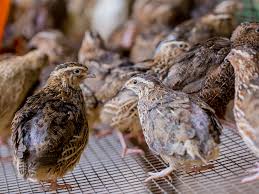
Contact Us
To receive specialized consultation on exporting quail meat and to inquire about the product’s daily price, you can contact our experts at NONADSHOP.
FOR FULL INFORMATION FOLLOW US IN OUR SITE AND SUBESCRATIONS FOR PLUS AGREEMENTS BUSINESS FOR EXPORT …
WHATSAPP
LINKEDIN

بدون دیدگاه