
Competition Among Iranian Traders in Salmon Exports and Practical Solutions for Synergy
Based on available analyses, specific statistical and analytical information on competition among Iranian traders in the field of salmon exports is not readily available, as Iran is not considered a major producer of this fish. However, by analyzing the overall capacities of Iran’s aquaculture industry and the role of chambers of commerce, a prospectus and practical solutions for this path can be outlined.
Iran’s Potential and Prospects in Salmon Trade
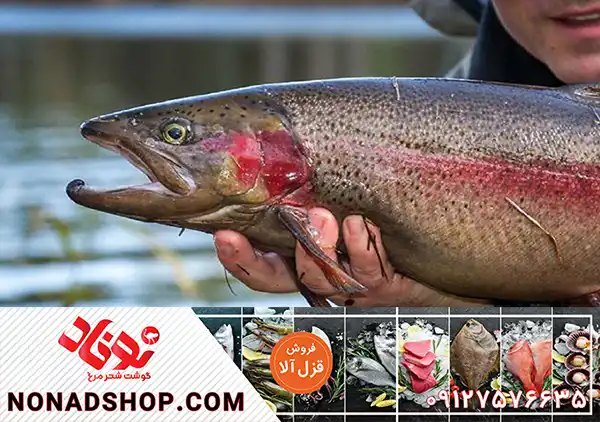
Although Iran is the world’s leading producer of rainbow trout (from the cold-water fish family), commercial-scale salmon production in the country is limited. Nevertheless, Iran’s natural conditions create significant potential for developing this industry.
-
Vast Capacity for Cage Culture: Iran has suitable coastlines in the north and south, providing the potential to produce at least one million tons of fish in cages. This capacity is a platform for developing the cultivation of high-value species like salmon.
-
Focus on Technology Transfer: In the past, negotiations were held for the transfer of modern cage fish farming technology from leading countries like Norway to Iran. This indicates that this opportunity has been identified by decision-makers.
-
Strategic Market Position: By leveraging its geographical location, Iran can play a role in supplying regional markets. For example, Russia is considered a high-potential and accessible market for Iranian aquatic products.
The Key Role of Chambers of Commerce in Facilitating Exports
The Chambers of Commerce, Industries, Mines, and Agriculture, as the “parliament of the private sector,” can play multiple roles in developing salmon exports. These roles go beyond being a ceremonial body and are defined as an “effective actor in the field.”
The Chamber of Commerce as a Facilitator and Liaison
-
Removing Administrative and Customs Obstacles: The chambers can help accelerate the resolution of issues for producers and exporters by holding meetings with entities such as Customs, the National Tax Administration, and the Ministry of Industry, Mine and Trade.
-
Issuing Essential Documents: Issuing the Certificate of Origin, which is necessary for exporting goods, is a direct responsibility of the Chambers of Commerce.
-
Dispute Resolution: The chambers can act as impartial arbitrators to resolve disputes between domestic or international traders.
The Chamber of Commerce as an Enabler

-
Training and Consulting: Providing training and consulting services in complex areas such as international trade law, insurance, taxation, and export marketing is crucial for enhancing the professional level of actors in this field.
-
Marketing and Networking: By sending trade delegations abroad, hosting foreign delegations, and establishing connections with ambassadors and commercial attachés, the chambers can open the doors of global markets to Iranian products.
-
Facilitating Participation in Exhibitions: Providing facilities and support for producers to participate in domestic and international exhibitions helps them introduce their products directly to global buyers.
Practical Solutions for Synergy and Success in the Global Market
To compete successfully in the global salmon market, a collective and coordinated strategy among all stakeholders is required.
-
Establishing an Export Consortium: Traders and producers can increase their bargaining power in purchasing inputs, marketing, and negotiating with international buyers by forming a consortium or specialized association. This reduces destructive internal competition and increases cohesion.
-
Focus on Quality and International Standards: Global markets for food products like salmon have stringent standards (such as those of the European Union). Investing in obtaining international quality and health certificates is an unavoidable necessity.
-
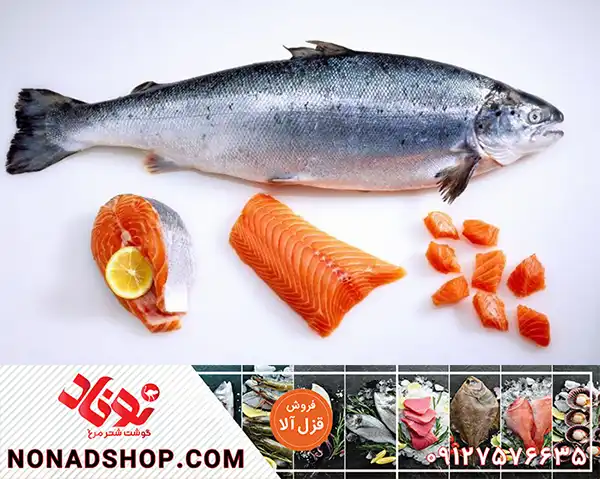
Development of Processing and Packaging Industries: Exporting salmon as fillets or high-value-added processed products (such as smoked or ready-to-cook products) is more profitable than exporting whole fish and allows access to more diverse markets.
-
Optimizing Logistics and the Cold Chain: Guaranteeing product quality from the farm to the end consumer’s table in other countries requires investment in advanced transportation systems and cold chain supply management.
We hope this strategic analysis provides a clear perspective on the opportunities and requirements for entering the salmon export market. If you need an analysis of a specific area, such as the tax details or health standards of a particular country, we can provide more specialized information.
NONADSHOP GROUP COMPANY



بدون دیدگاه