
Chicken Feet Trade and Exports from Iran to Iraq — Comprehensive Report (Updated to mid-2025)

Abstract
This report summarizes the commercial landscape, trade flows, regulatory context, risks, and practical recommendations for Iranian exporters of chicken feet to Iraq, using open-source trade platforms, industry reporting, and recent news up to mid-2025. It is written for exporters, trade officials, and agribusiness stakeholders preparing market-entry or scaling plans.
-
Executive summary (key takeaways)

-
Iraq is an important regional market and a frequent buyer of frozen poultry products from neighboring countries, including Iran. Iran has resumed and expanded poultry shipments to Iraq in recent years, but volumes are sensitive to bilateral regulatory decisions and sanitary approvals.
-
Market access depends on plant registration, veterinary certification, and compliance with Iraq’s sanitary/packaging rules — failures here are the most common cause of shipment delays or rejections.
-
Disease outbreaks (HPAI) and shifting Iraqi trade policy remain the principal downside risks; exporters should maintain strict biosecurity, documentary readiness, and contractual clauses that allocate risk.
-
Market context — why Iraq matters for Iranian chicken-feet exporters
Iraq is a large consumer market for poultry in the Middle East and frequently imports frozen poultry products to meet domestic demand. Because of geographic proximity and existing trade relations, Iran is a natural supplier to Iraqi buyers for competitively priced frozen poultry items, including chicken feet. Trade-data platforms and industry reporting identify Iraq among the regional buyers sourcing poultry products from Iran. (Trading Economics)
-
Recent trade trends (to mid-2025)

-
Global export databases and platforms tracking “chicken feet” shipments show steady global trade activity through 2024–mid-2025, while regional dynamics (supply disruptions from major exporters or seasonal demand) create short-term windows for neighboring suppliers. Volza and Tridge maintain active shipment and price logs that indicate persistent demand for frozen chicken feet in Asia and the Middle East.
-
Iran officially resumed various poultry exports to Iraq in 2022 after prior interruptions, and commercial reports since then indicate commercial flows of frozen poultry (including chicken feet) between the two countries — though publicly available, detailed HS-6 level volumes (chicken feet specifically) are best confirmed via UN/Comtrade or customs data for contract negotiations.
-
Regulatory & sanitary requirements (practical summary)


-
Plant registration and veterinary certification: Iraq requires sanitary certification and, in many cases, registration/listing of foreign processing plants for poultry imports. Exporters must ensure Iranian processing plants hold the necessary veterinary certificates and appear on Iraq’s approved exporter lists when required. Failure to comply is frequently cited as a cause for shipment rejections. (fishexchange.mpeda.gov.in)
-
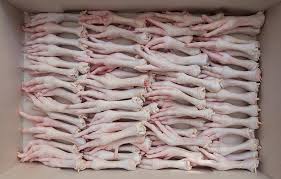
Packaging, labeling and quality grades: Importers and Iraqi authorities expect standardized labeling and appropriate freezing/packaging for frozen chicken feet; value-added processing (cleaned, de-boned, individually quick frozen or vacuum-packed) can improve acceptability. Industry price platforms and exporters’ directories show higher demand for processed/value-added products.
-
Demand drivers and buyer types in Iraq

-
Wholesale distributors and markets: Large wholesale markets and distributors that supply urban centers and food processors are major buyers. Iranian exporters commonly transact via regional traders and importers who handle customs clearance and distribution.
-
Food processors and re-packers: Firms that extract collagen/gelatin or that produce value-added frozen foods are potential industrial buyers, though the bulk consumer market for ready-to-cook chicken feet remains an important segment.
-
Risks and constraints


-
Health-related bans and trade interruptions: Detection of avian influenza in supplying countries periodically triggers import suspensions and rapid policy shifts — an acute risk for perishable/frozen poultry trade. Exporters must track regional animal-health developments.
-
Regulatory shifts in Iraq: Iraq has, at times, adjusted import policies to protect domestic producers or for political/economic reasons; such policy changes can alter demand suddenly. Exporters should monitor Iraq’s official announcements and trade bulletins. (Global Trade Alert)
-
Logistics and cold-chain reliability: Maintaining cold-chain integrity on land routes and at transshipment points is essential to avoid rejections or quality claims.
-
Commercial strategy — recommendations for Iranian exporters
-
Secure and maintain sanitary approvals: Prioritize getting processing plants formally certified for export to Iraq and keep certificates, veterinary documents, and approved-plant lists current. This reduces the risk of detention at arrival.
-
Offer value-added, export-ready SKUs: Cleaned, IQF (individually quick frozen), de-boned, vacuum-sealed, or frozen-block variants with consistent sizing increase buyer confidence and command better prices. Use professional labeling (english/arabic as needed).
-
Build relationships with reliable Iraqi importers: Partner with established Iraqi distributors who understand clearance rules and can absorb short-term policy risk; consider LOIs and long-term supply MOUs where possible.
-
Include risk allocation in contracts: Add clauses for force majeure related to animal-health bans, documentary checks, and insurance to protect both parties. Obtain comprehensive cargo and political-risk cover if volumes are significant.
-
Monitor market intelligence sources: Regularly consult Tridge, Volza, UN Comtrade, and national trade bulletins to keep pricing, shipment, and regulatory intelligence current.
-
Data gaps and recommended next steps for a contracting exporter
-
Obtain HS-6 specific volumes from customs/UN Comtrade: Public summaries and portals show poultry trade broadly, but contract negotiation benefits from HS-6 level figures (e.g., frozen chicken feet HS code) for past volumes and unit-price benchmarks. Use UN Comtrade or customs-to-customs data pulls. (UNdata)
-
Request buyer lists and recent shipment manifests: Ask commercial platforms (Tridge, Volza) or chambers of commerce for recent buyer contacts and verified shipment histories to pre-qualify partners.
-
Outlook to the end of 2025 (brief)


Through mid-2025 the Iran→Iraq frozen-poultry corridor remained commercially relevant, supported by proximity and existing trade links. The medium-term outlook depends heavily on (a) the regional animal-health situation, and (b) Iraqi domestic policy toward poultry imports. If sanitary conditions remain stable and Iran maintains compliant export documentation, opportunities for steady shipments of frozen chicken feet exist — especially for suppliers offering reliable, value-added products and trusted logistics.
For all the world business man active in export and import chicken paw important is
Good trade company with full experienced team mate,
NONADSHOP GROUP
Can help to all buyer in all the world…



)
بدون دیدگاه