
Osetra Caviar and Quality Characteristics Applications and Consumer Markets
Introduction
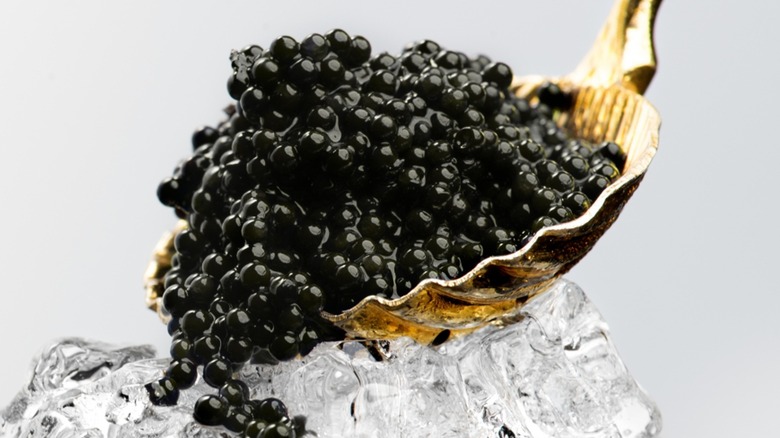
Osetra caviar is one of the best-known varieties of sturgeon caviar, recognized for its distinctive flavor, appealing texture, and diverse range of roe colors. It holds a prestigious position in the global luxury food market. Internationally, this product is commonly known as Osetra, Ossetra, or Oscietra and is most closely associated with the Russian sturgeon and, in some commercial contexts, related sturgeon species.
Growing interest in premium food products, the development of sturgeon aquaculture, and increasing attention to seafood traceability have created opportunities for Osetra caviar in specialized international markets. For Iranian producers and traders, understanding the product’s characteristics and international buyers’ expectations can help identify suitable target markets and develop effective export strategies.
1. What Is Osetra Caviar?
Osetra caviar is produced from the processed roe of certain sturgeon species. The commercial name is most strongly associated with the Russian sturgeon (*Acipenser gueldenstaedtii*). Persian sturgeon (*Acipenser persicus*) is also associated with related caviar categories in some sources and commercial descriptions. Therefore, the actual fish species and product specifications should be clearly identified in commercial documents and on product labels.
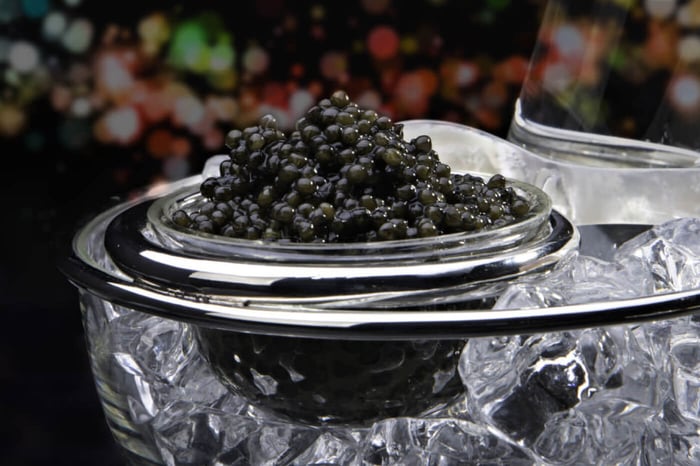
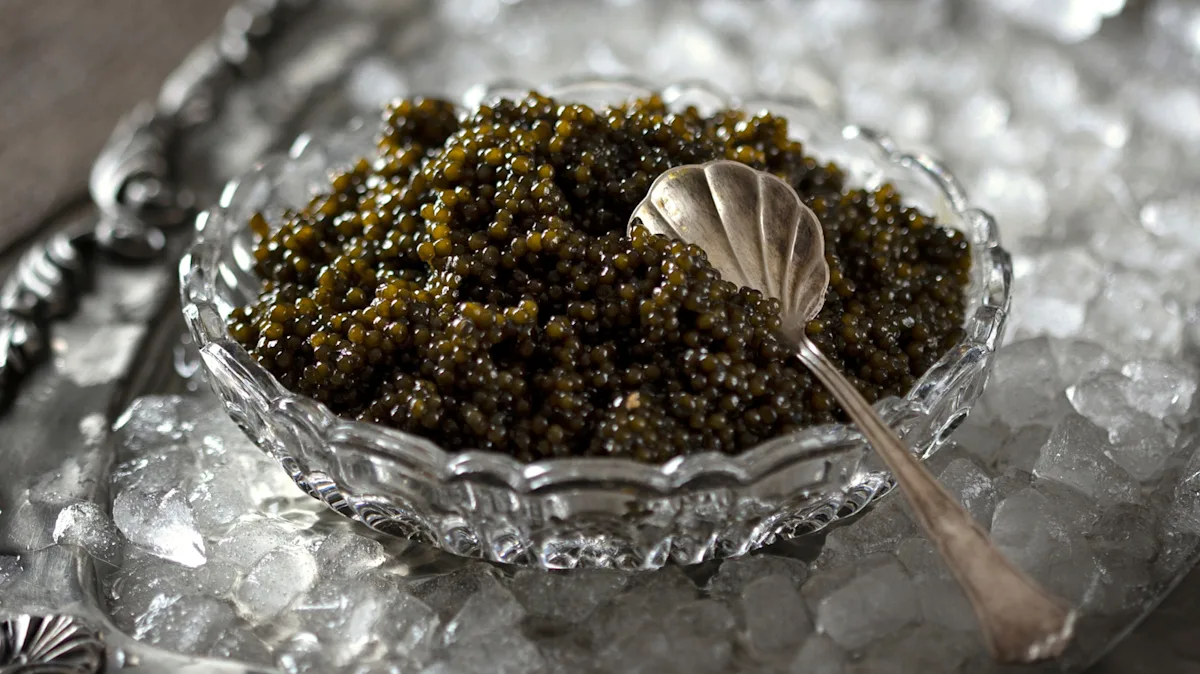
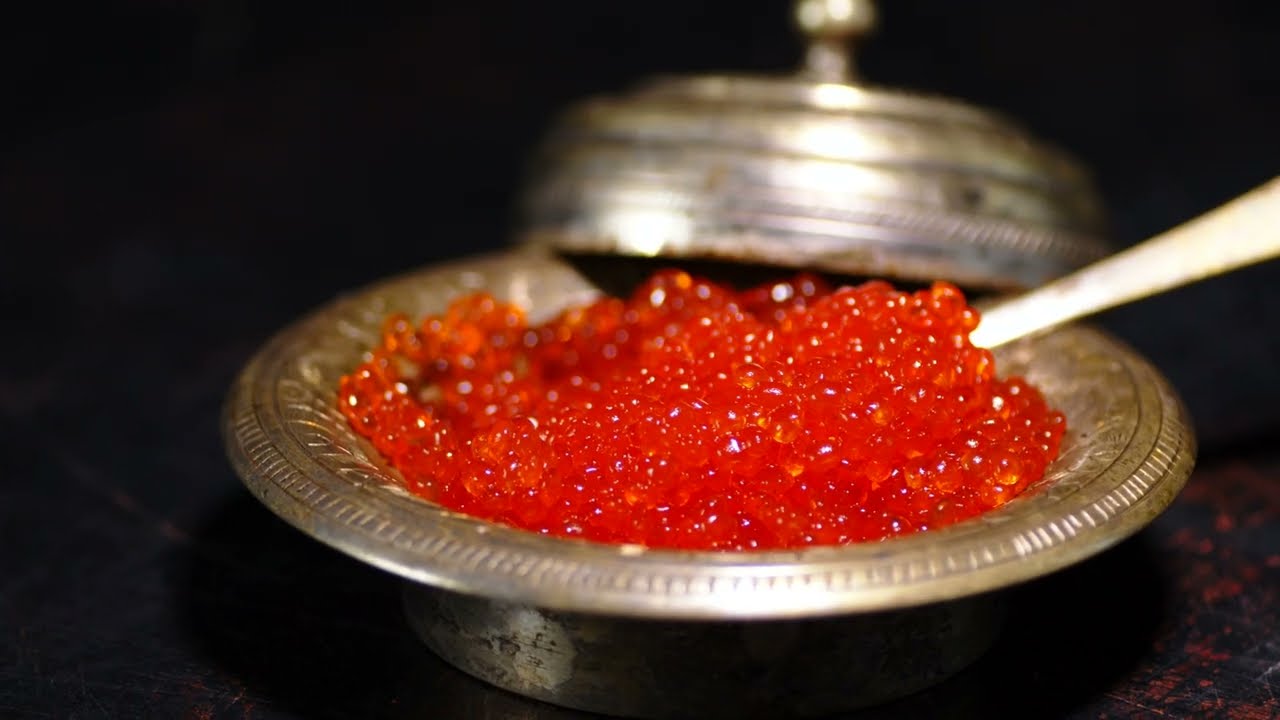
Osetra caviar typically features medium-sized to relatively large eggs. Its color can range from gray and dark brown to golden shades. Nutty, marine, and occasionally mildly fruity flavor notes are commonly mentioned when describing this variety. However, the final color and flavor depend on the fish species, farming conditions, roe maturity, and processing methods.
. Quality Characteristics of Osetra Caviar
Egg Size and Uniformity
Egg size is one of the characteristics considered when evaluating caviar. Healthy, relatively uniform eggs that match the declared product specifications are generally desirable. However, larger eggs do not automatically indicate superior quality. Freshness, texture, flavor, and storage conditions must also be considered.
Color and Appearance
Osetra caviar is available in a broad range of colors. Some varieties are gray or brown, while others have golden undertones. A lighter color does not necessarily mean higher quality. Commercial value depends on the product’s actual characteristics, consistency, sturgeon species, and customer preferences.
Flavor and Texture
A balanced nutty and marine flavor, firm texture, and delicate mouthfeel are desirable characteristics of Osetra caviar. Depending on the processing method, the eggs should maintain an appropriate texture and show no signs of spoilage or improper storage in their smell or taste.
Salting and Processing
Processing methods have a significant influence on the final quality of caviar. The method known as *Malossol* uses relatively little salt to preserve the roe’s natural flavor. Salt concentration, packaging methods, storage conditions, and, in some products, pasteurization can affect flavor, texture, and shelf life.
Freshness and Product Safety
Commercial quality assessment should include more than the appearance of the eggs. Production or processing dates, cold-chain conditions, packaging integrity, batch numbers, and traceability documents should also be checked. Purchasing from reputable producers and obtaining verifiable documentation can reduce the risk of receiving inferior products or caviar with an unclear origin.
3. Applications of Osetra Caviar in the Food Industry
Osetra caviar is used in several segments of the food industry because of its distinctive flavor and premium market position.
– **Luxury restaurants:** Served as an appetizer or incorporated into specialty menus.
– **Premium hotels:** Featured in high-end dining services and special-occasion menus.
– **Seafood cuisine:** Paired with fish, shellfish, and other seafood dishes to create more complex flavors.
– **Special events and catering:** Used at formal banquets, exclusive celebrations, and premium catering events.
– **Specialty food retailers:** Sold in small, luxury packages for individual consumers.
– **Premium food gifts:** Included in gourmet gift collections for important clients and special occasions.
Caviar is generally served in small quantities. As a result, product quality, freshness, and presentation can significantly influence the consumer experience.
Global Consumer Markets for Osetra Caviar
The market for Osetra caviar can be assessed according to customer type, purchasing power, food culture, and distribution infrastructure. Demand in a particular country does not automatically guarantee export success. Import statistics, regulations, and access to reliable buyers must be examined for each target market.
European Markets
Countries such as France and Germany are potential markets to investigate for luxury food products and caviar. In these markets, documented quality, traceability, appropriate packaging, and compliance with import regulations are particularly important.
Iranian traders seeking access to these markets should verify the legal eligibility of Iranian-origin products, sanitary requirements, and necessary documentation before entering into commercial agreements.
Gulf Markets
The United Arab Emirates and other regional markets may offer opportunities for premium caviar. Luxury hotels, high-end restaurants, specialty retailers, and premium food distributors are potential customers.
In these markets, choosing reliable importers, providing suitable packaging, and maintaining a consistent supply can help establish long-term commercial relationships.
Asian Markets
Markets such as Japan, China, and selected East Asian countries are also worth investigating for caviar demand. Understanding distribution channels, consumer preferences, competitor pricing, and import requirements is essential when selecting a target market.
International caviar trade varies considerably between countries in terms of consumption, production, and implementation of labeling regulations. Therefore, a single export strategy is unlikely to be suitable for every Asian market.
5. Export Opportunities for Iranian Osetra Caviar Traders
Iran has a history of sturgeon-related activities and the capacity to farm certain sturgeon species associated with premium caviar. This provides a basis for exploring caviar as part of the country’s seafood export portfolio. Success depends on product quality, lawful origin, customer knowledge, and compliance with destination-country regulations.
The main opportunities include:
1. **Developing private brands:** Establishing a distinctive commercial identity for Iranian caviar based on authenticity, quality, and accurate product information.
2. **Cooperating with reputable farms:** Creating reliable and traceable supply agreements to meet international orders.
3. **Offering diverse packaging options:** Designing packaging suitable for restaurants, distributors, and specialty retailers.
4. **International digital marketing:** Developing multilingual websites, commercial catalogs, and professional product content for wholesale buyers.
5. **Expanding distribution networks:** Partnering with importers and distributors experienced in luxury food products.
6. **Emphasizing traceability:** Providing verifiable information about the fish species, production location, processing methods, and lawful origin of the product.
6. Export Standards and Regulatory Requirements
International caviar trade is subject to special regulations because many sturgeon species have protected status. The Convention on International Trade in Endangered Species of Wild Fauna and Flora (CITES) establishes permit and labeling requirements for international trade in covered specimens, including caviar. The exact requirements depend on the species, product origin, exporting and importing countries, and type of transaction.
Before exporting Osetra caviar, Iranian traders should verify the following:
– Accurate identification of the fish species and its relevant code.
– Documentation confirming lawful origin and shipment traceability.
– CITES permits and labeling requirements, where applicable.
– Health certificates and food safety requirements imposed by the destination country.
– Packaging, storage, and refrigerated transportation conditions.
– Customs documentation, commercial paperwork, and product-labeling rules.
The commercial term “Osetra” alone is not sufficient to establish the species, quality, or origin of a product. Matching the actual product specifications with export documentation is essential to prevent commercial disputes and customs clearance problems.
Factors Affecting Osetra Caviar Prices
Osetra caviar prices are determined by several factors. Its commercial value cannot be assessed solely by the color or size of the eggs.
Key pricing factors include:
– Fish species and product origin.
– Egg size, uniformity, and appearance.
– Flavor, texture, freshness, and processing method.
– Farmed production and product traceability.
– Packaging type and net weight.
– Cold-storage, transportation, and insurance costs.
– Demand, competition, and market conditions in the destination country.
– Permits and regulatory compliance costs.
When determining export prices, traders should evaluate prevailing market prices alongside production costs, logistics expenses, payment terms, and their expected profit margins.
Conclusion
Osetra caviar is a recognized variety in the luxury food market, valued for its diverse colors, nutty flavor, and appealing texture. Its use in premium restaurants, hotels, and specialty food stores creates commercial opportunities for producers and exporters.
For Iranian traders, expanding exports requires careful target-market selection, cooperation with reliable producers, professional branding, consistent quality, and compliance with international regulations. Ensuring lawful origin and product traceability is also essential for protecting commercial credibility and supporting the long-term sustainability of the sturgeon industry.
By implementing these strategies, Osetra caviar can become part of the broader range of seafood products contributing to Iran’s non-oil export development.
Add a practical export roadmapClarify farmed versus wild OsetraStrengthen the Iranian market focus
for more info call us in
nonadshop.com
parvisico.com

بدون دیدگاه