
The Role of Iranian Beluga Fish Exports in Improving Iran’s Trade Balance and Generating Income for Iranian Traders
Introduction
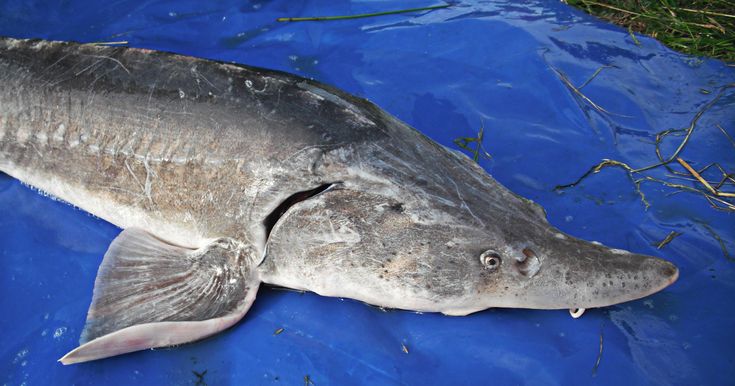
In recent years, the expansion of non-oil exports has become one of Iran’s primary economic development strategies. Among the country’s most valuable aquatic products, the Beluga fish stands out as one of the world’s most prestigious and economically significant sturgeon species. Renowned for its premium meat, exceptional caviar, and high commercial value, Iranian Beluga fish has become a strategic export commodity capable of generating substantial foreign exchange earnings, improving Iran’s trade balance, and creating sustainable income opportunities for Iranian exporters and traders.
With growing global demand for premium seafood products, Beluga fish exports offer Iran an excellent opportunity to strengthen its position in international markets while reducing dependence on oil revenues.
Beluga Fish: A Strategic Export Commodity
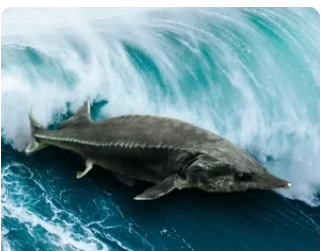
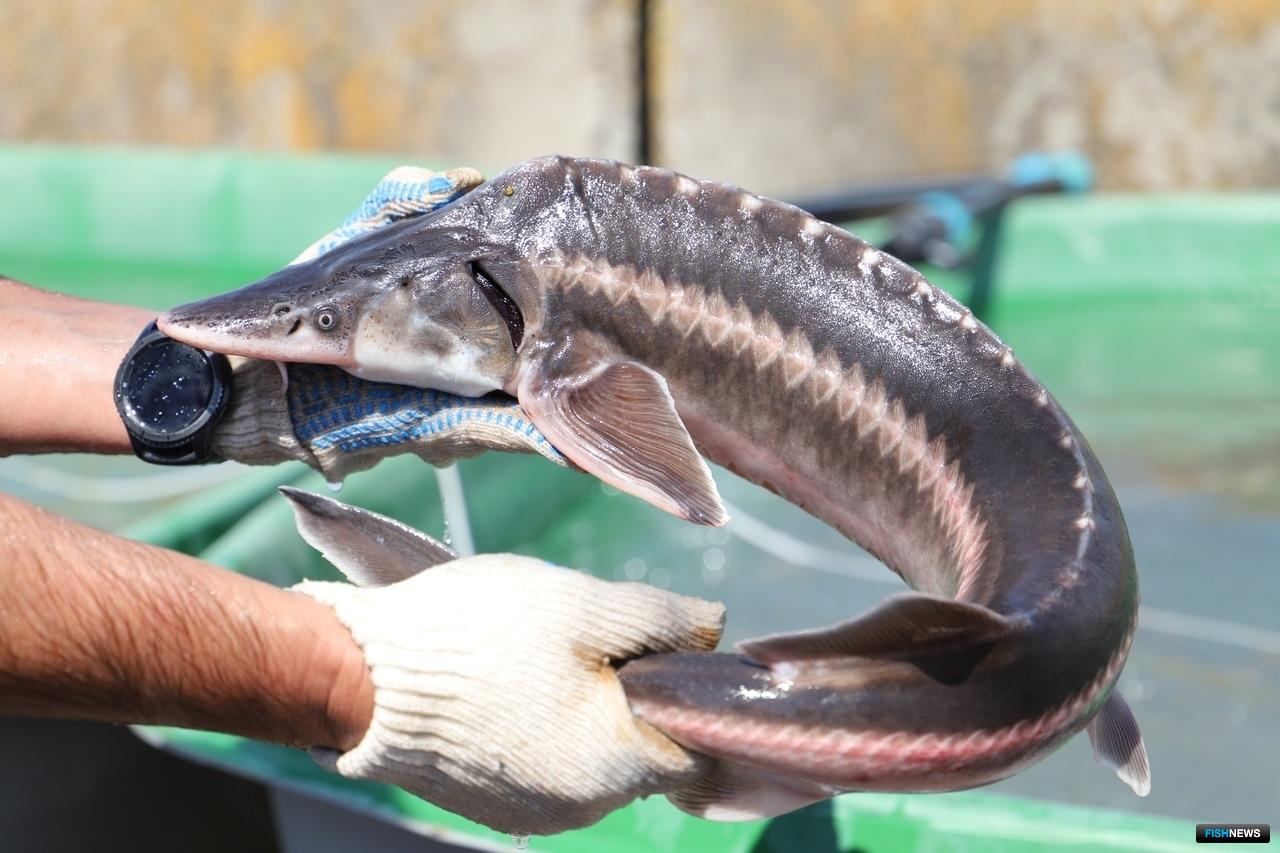
The Beluga fish (Huso huso) is widely recognized as one of the most valuable species in the global aquaculture industry. Raised in modern Iranian aquaculture farms under strict quality standards, Beluga fish produces both premium-quality meat and the world-famous Beluga caviar, making it one of Iran’s highest-value export products.
Unlike many agricultural commodities with relatively low profit margins, Beluga fish provides significant economic returns due to its high market value and strong international demand.
Major export destinations include:
-
Gulf Cooperation Council (GCC) countries
-
East Asian markets
-
European countries
-
Central Asian and Commonwealth of Independent States (CIS) markets
-
Luxury seafood markets worldwide
These markets continue to seek high-quality seafood products with reliable quality, traceability, and sustainable production practices.
The Role of Beluga Fish Exports in Improving Iran’s Trade Balance
A country’s trade balance is a key indicator of its economic performance. Expanding exports of high-value products directly contributes to strengthening the national trade balance and increasing foreign exchange reserves.
Iranian Beluga fish exports contribute to this objective by:
-
Increasing foreign currency earnings.
-
Reducing dependence on crude oil exports.
-
Expanding the share of high-value processed seafood exports.
-
Enhancing Iran’s position in global seafood trade.
-
Promoting sustainable export-driven economic growth.
Because Beluga fish and its related products command premium international prices, even relatively small export volumes can generate substantial export revenues, making the industry highly attractive from an economic perspective.
Income Generation for Iranian Traders
One of the most significant advantages of exporting Beluga fish is its strong profitability for Iranian traders, exporters, and investors. By participating in production, processing, packaging, marketing, and international distribution, businesses can achieve attractive financial returns.
Revenue opportunities include:
-
Exporting premium Beluga fish meat.
-
Exporting high-value Beluga caviar.
-
Exporting juvenile sturgeon and fertilized eggs for aquaculture.
-
Selling processed seafood products.
-
Supplying international luxury food distributors and gourmet retailers.
This diversified revenue structure reduces commercial risks while increasing profitability throughout the export supply chain.
Creating Value Through Processing and Innovation
The economic value of Beluga fish extends far beyond the export of raw products. Iran has developed significant value-added capabilities through advanced processing, grading, premium packaging, cold-chain logistics, and international quality certification.
These activities stimulate growth across several supporting industries, including:
-
Seafood processing facilities.
-
Export packaging manufacturers.
-
Refrigerated transportation and cold-chain logistics.
-
Quality control laboratories.
-
International trading companies.
-
Marine logistics and freight services.
As a result, Beluga fish exports contribute not only to export earnings but also to employment creation and industrial development.
Opening New International Markets
Beluga fish is considered a luxury seafood product that can serve as a gateway to new international markets. Successful exports establish commercial relationships with importers and distributors, creating opportunities to introduce additional Iranian products into those markets.
Products that can benefit from these established trade networks include:
-
Iranian caviar.
-
Farmed shrimp.
-
Marine fish products.
-
Saffron.
-
Pistachios.
-
Dates.
-
Dried fruits.
-
Natural honey.
-
Medicinal herbs.
Consequently, Beluga fish exports support the broader expansion of Iran’s non-oil export portfolio.
Strengthening the “Made in Iran” Brand
Iran has earned an international reputation for producing premium sturgeon products. Maintaining high production standards and consistent export quality strengthens buyer confidence and enhances the global image of Iranian products.
A strong national brand improves the competitiveness of other Iranian exports by demonstrating:
-
Superior product quality.
-
Professional production standards.
-
Reliable supply capabilities.
-
Sustainable aquaculture practices.
-
Commitment to international food safety standards.
This positive reputation encourages long-term commercial partnerships and repeat business.
Iran’s Competitive Advantages
Iran possesses several strategic advantages that support the continued growth of Beluga fish exports:
-
Extensive expertise in sturgeon farming.
-
Skilled aquaculture professionals.
-
Modern fish farming infrastructure.
-
Strategic geographic location connecting major international markets.
-
Access to Gulf, Asian, and European trade routes.
-
Decades of experience in producing and exporting premium sturgeon products.
These advantages provide Iranian exporters with a strong competitive position in the international seafood industry.
Strategies for Expanding Exports and Increasing Profitability
To maximize the economic potential of Beluga fish exports, several strategic initiatives should be prioritized:
-
Expanding sustainable sturgeon aquaculture.
-
Investing in premium export packaging.
-
Strengthening international branding and marketing.
-
Participating in global seafood and food exhibitions.
-
Building partnerships with international importers and distributors.
-
Improving cold-chain logistics and transportation infrastructure.
-
Simplifying export procedures and supporting private-sector exporters.
-
Promoting innovation in seafood processing and value-added production.
These measures can significantly increase export volumes while improving profitability and market competitiveness.
Conclusion
Iranian Beluga fish is one of the country’s most valuable aquatic export products and represents a strategic asset for expanding non-oil exports. Through its high commercial value, premium international reputation, and strong global demand, Beluga fish contributes significantly to foreign exchange earnings, improves Iran’s trade balance, creates employment, stimulates industrial development, and generates substantial income for Iranian traders and exporters.
With continued investment in sustainable aquaculture, advanced processing technologies, international branding, and market diversification, Iranian Beluga fish has the potential to become one of the leading drivers of the country’s export-oriented economy. Expanding its presence in global markets will not only increase export revenues but also strengthen Iran’s international trade position and support long-term economic growth based on high-value non-oil exports.
For more info call us in
Parvisico.com



بدون دیدگاه