
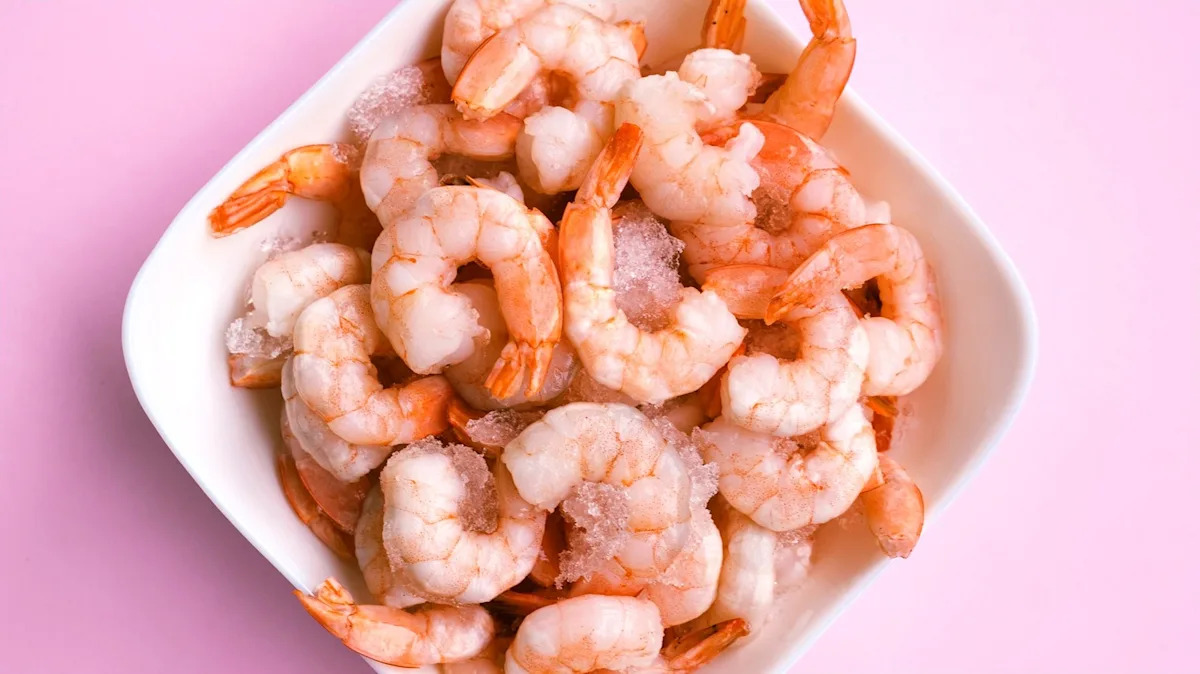
Types of Shrimp in the Iranian & Global Market: A Comprehensive Guide from Fresh to Frozen
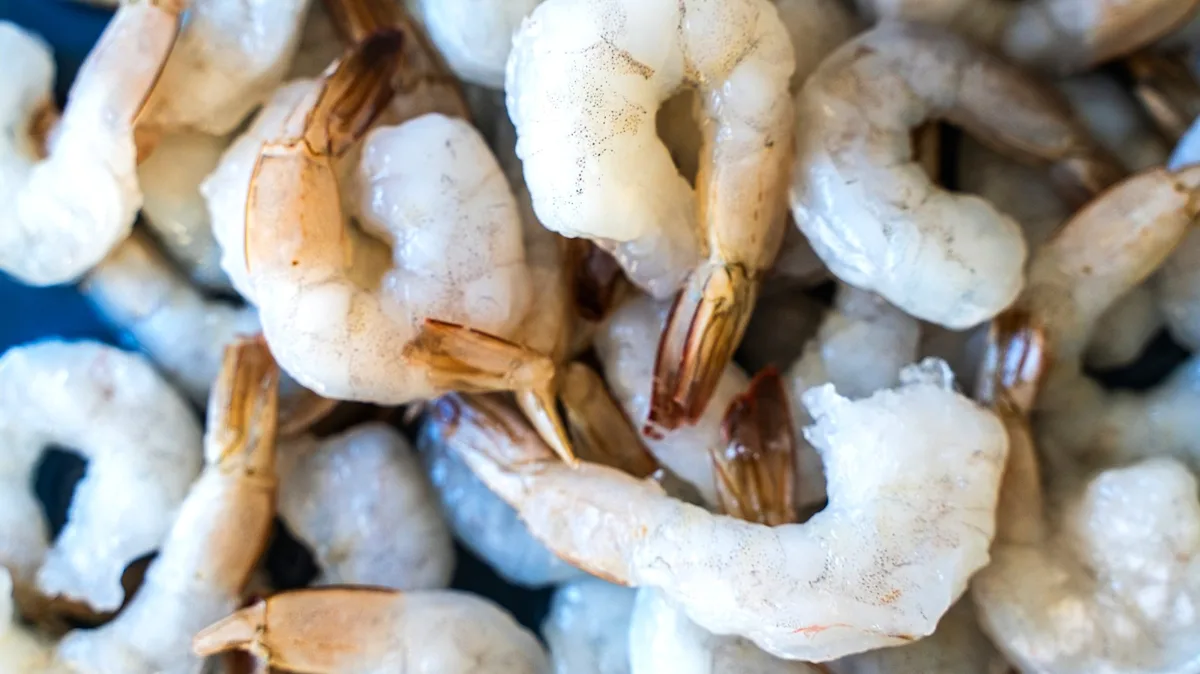
Why is Knowing Shrimp Types Crucial for Wholesale Buyers
If you operate in the food industry, run restaurants, manage chain stores, or are active in import/export, choosing the right type of shrimp directly impacts your final cost, customer satisfaction, and even profit margins. In Iranian and world markets, shrimp comes in an extraordinary variety of species, habitats (farmed or wild), freezing methods, and sizes. This guide helps you buy with confidence.
A Look at the Shrimp Market in Iran and the World
With access to the Persian Gulf and the Gulf of Oman, Iran is one of the region’s leading shrimp producers. The provinces of Hormozgan, Bushehr, Khuzestan, and Sistan & Baluchestan are key hubs for fishing and farming. Globally, Ecuador, India, Indonesia, Vietnam, and Thailand are the largest shrimp exporters. Farmed Pacific White Shrimp (Vannamei) accounts for over 70% of world trade.
Shrimp Types Based on Habitat and Production Method
Farmed Shrimp
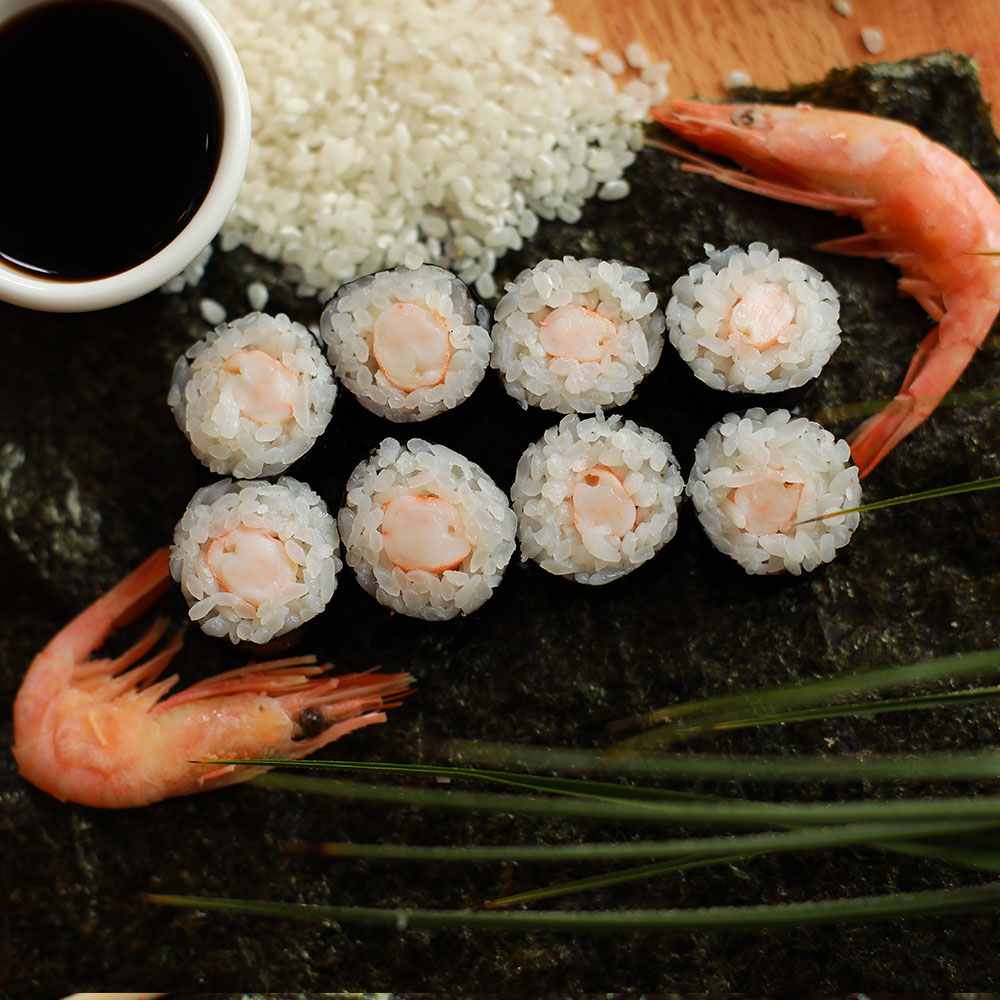
Raised in coastal farms under controlled feeding and health management. Key advantages: uniform sizing, year-round availability, and competitive pricing. Vannamei is the most famous example.
Wild-Caught Shrimp
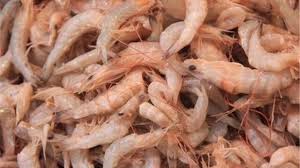
Harvested from open waters, the Persian Gulf, and the Gulf of Oman. They boast a stronger flavor, natural coloration, and firmer texture. Limited fishing seasons (typically autumn) make their prices fluctuate. Common species: Green Tiger Shrimp, Pink Shrimp, Indian White Shrimp.
The Most Popular Shrimp Species in the Iranian Market
Pacific White Shrimp (Vannamei)
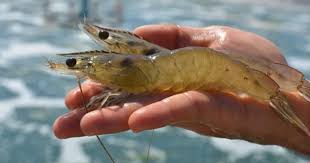
The most sought-after farmed species in Iran and worldwide. White meat, mild taste, versatile cooking properties, and budget-friendly pricing make it the top choice for restaurants and fast-food chains. Common Vannamei sizes in Iran: 26/30, 31/40, and 41/50.
Green Tiger Shrimp (Penaeus semisulcatus)
The giant of the Persian Gulf, recognizable by dark striped bands on its body. Large sizes (up to 20 cm), an unbeatable grilled flavor, and firm meat. Ideal for upscale dining and export to the Gulf Arab countries.
Pink & Banana Shrimp
Pink Shrimp (Fenneropenaeus merguiensis) and Banana Shrimp are wild-caught in southern waters. Their attractive pink hue after cooking makes them perfect for Persian shrimp pilaf (meygoo polo) and celebratory dishes
Types of Shrimp in the Iranian & Global Market: A Comprehensive Guide from Fresh to Frozen
Classifying Shrimp by Freshness and Processing Method
For wholesale purchasing, the choice between fresh and frozen is a strategic decision.
Fresh Shrimp
Shrimp that has been caught or harvested and kept on ice without freezing. Shelf life is very short (maximum 3–4 days). Mostly sold in local coastal markets. Important note: In many inland cities, “fresh shrimp” is often mistakenly used to describe previously frozen and thawed shrimp. True fresh shrimp should smell like the sea, with a firm, translucent body.
Frozen Shrimp – IQF and Block Frozen
The most common form of wholesale supply. Two main freezing methods:
-
IQF (Individually Quick Frozen): Each shrimp is frozen separately. You can easily take out the exact amount needed without thawing the whole pack. Higher quality, less waste.
-
Block Frozen: Shrimp are frozen together with water in a block. Lower price, but harder to thaw and higher risk of texture damage.
Healthy frozen shrimp should have a uniform shell, no black spots, and no signs of freezer burn.
Dried, Canned & Cooked Shrimp
Dried shrimp (mostly small, used as snacks and seasoning), canned shrimp, and cooked-frozen (Ready-to-Eat) shrimp also have their own niche markets. Adding these items completes the product range for online shops and hypermarkets.
International Shrimp Sizing & Grade Table
Shrimp size is expressed as the number of shrimp per kilogram (or per pound). The smaller the number, the larger the shrimp and the higher the price.
Size (count per kg) Market Category Common Use
U/10 (under 10 pcs) Extra Jumbo / Royal Grilling, luxury catering
11/15 Jumbo Barbecue, shrimp stew
16/20 Extra Large Shrimp pilaf, restaurant-style breaded
21/25 Large Festive rice dishes, salads
26/30 Medium Large Restaurants, sandwiches, pasta
31/40 Medium Small Fritters, home cooking
41/50 and up Small Soup, omelette, dried shrimp
Buying Guide for Fresh & Frozen Shrimp (For Stores & End Consumers)
-
Shell Check: The shell should be moist and shiny, not slimy or dry. Black spots indicate aging.
-
Sea Smell: Any ammonia or sour odor means reject it.
-
Texture: Press with your finger; the meat should be firm and spring back quickly.
-
Freezer Temperature: Frozen shrimp must be completely solid with no large ice crystals inside the package.
-
Trust Your Supplier: For wholesale purchases, always buy from reputable trading companies with veterinary health certificates.
Nutritional Value & Health Benefits of Shrimp
Shrimp is a low-fat source of high-quality protein, iodine, selenium, and vitamin B12. Its omega-3 fatty acids and the antioxidant astaxanthin support heart health and skin vitality. Farmed shrimp is one of the healthiest marine protein choices for modern diets.
Summary & Partnership Invitation
Understanding the types of shrimp, from fresh Persian Gulf shrimp to IQF Vannamei, is the key to success in wholesale and retail. Our trading company
NONADSHOP TRADE COMPANY
http://parvisico.com
with years of experience in supplying and distributing premium southern shrimp, is ready to partner with restaurants, chain stores, and exporters.
Contact us today for a wholesale price list and expert shrimp buying consultation.


بدون دیدگاه