
The Role of Iranian Domestic Producers in Exporting Beluga and Caviar to Northern and Eastern Markets
Introduction
Iranian caviar, known as the “Black Pearl” of the Caspian Sea, stands alongside Persian rugs and saffron as one of Iran’s strategic and luxury export products with a special place in global markets. Among these, the Beluga sturgeon (Huso huso) – the largest and most valuable sturgeon species in the world – plays a pivotal role in the reputation and value of Iran’s caviar exports. What sets this industry apart from other export sectors is its reliance on the high capability and potential of domestic producers. Today, sturgeon farms are active in over 20 provinces of Iran and have successfully maintained the position of Iranian caviar in world markets.
In this article, we introduce the position of Beluga in Iran’s caviar industry, examine target markets in northern countries (Caspian Sea littoral states) and Iran’s eastern borders, and analyze the capacities and achievements of domestic producers from various perspectives.
Beluga Sturgeon: The Undisputed King of Caviar
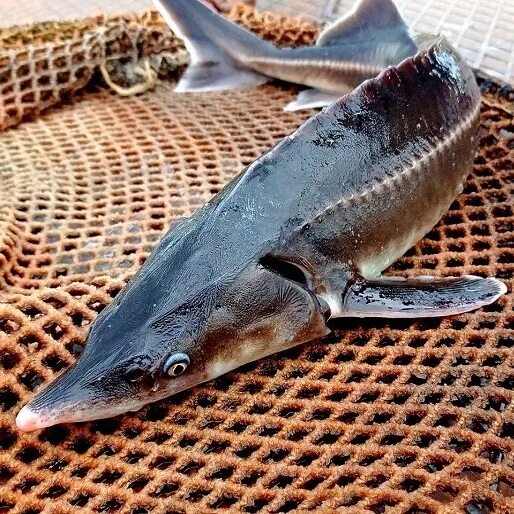
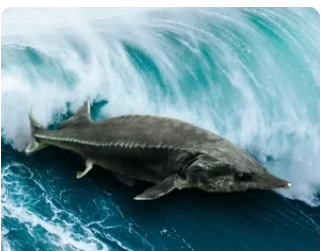
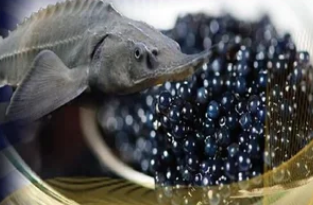
Beluga sturgeon, known in Iran as “Fil-Mahi” (Elephant Fish) , is the largest and most valuable species of sturgeon in the world. Its natural habitat is the Caspian Sea, and the roe harvested from it – due to the species’ multi‑million‑year lineage – has the highest quality and value among all types of caviar.
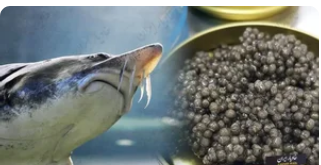
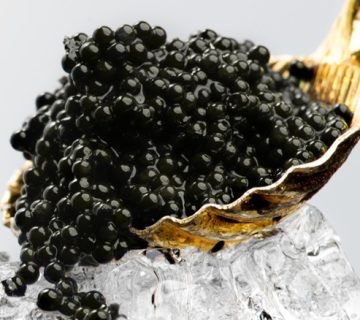
A notable fact is that globally, Beluga is identified with Iran, and Iranian caviar is identified with Beluga. This worldwide reputation is the result of decades of experience, technical knowledge, and commitment by Iranian producers to maintain the highest quality standards. Beluga caviar, which forms the majority of Iran’s caviar exports, has always been at the top of the list of the most expensive and prestigious caviars in the world because of its large grains, light‑to‑dark brown colour range, and unique taste.
Domestic Producer Capabilities: From Fishing Bans to Leadership in Industrial Farming
Transition from Traditional Fishing to Sustainable Aquaculture
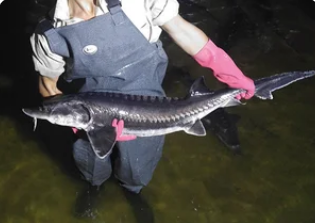
Since 2010, due to the risk of sturgeon extinction, the five Caspian littoral states (Iran, Russia, Azerbaijan, Turkmenistan, Kazakhstan) banned commercial sturgeon fishing. Today, wild caviar production is illegal, and no official exports come from that source.
This decisive shift redirected caviar production from traditional fishing to industrial and sustainable farming. Iranian domestic producers, despite entering the field later than some competitors, have managed to establish their position in the global market by relying on local knowledge and extensive investment. Today, over 196 sturgeon farms are active in 22 provinces, with about 50% of production concentrated in the three northern provinces of Gilan, Mazandaran, and Golestan.
Production Figures and Remarkable Growth
Recent statistics show significant growth in Iran’s farmed caviar industry:
-
Sturgeon meat production reached 11,000 tonnes in the Iranian year 1402 (March 2023 – March 2024).
-
Farmed caviar production in 1402 was about 21 tonnes, of which 4,700 kg were exported.
-
Iran’s caviar exports in the first six months of 1404 (March – September 2025) reached 3,540 kg worth $2.315 million, showing a 26% increase in weight and 44% in value compared to the same period the previous year.
-
This year, caviar exports have been delivered to 28 countries worldwide.
Long‑term targets are ambitious. According to Iran’s Fisheries Organization, the goal is to increase caviar production to 140 tonnes and exports to 4.7 tonnes by the end of the Seventh Development Plan.
Iran’s Competitive Advantage: Quality over Quantity
While regional competitors like China try to capture global markets through mass production, Iran’s main advantage lies in its unmatched product quality, especially Beluga caviar. According to the head of the Agriculture Commission of the Cooperative Chamber, the average value of each kilogram of Iranian exported caviar is $1,000 USD**, and some varieties reach **$5,000 USD. In the first half of 1404, the average price per kilogram of Iranian caviar was about $654 USD, reflecting the premium position of Iranian products in global markets.
The Secretary of the Union of Aquaculture Production and Trade in Iran announced a record‑breaking caviar export in 1402, stating that previous years’ exports were at most 3.2 tonnes, but in 1402 they reached about 4.7 tonnes.
According to a reputable international market report, Iran accounts for 45% of global caviar production, and Iran’s caviar exports in 2022 were about 5.77 tonnes.
Based on a report by IndexBox, in 2022 Iran supplied nearly 46% of all caviar exported worldwide.
Target Markets: Export Opportunities in the North and East
Northern Markets: Russia and Caspian Littoral States
The countries on the northern shores of the Caspian Sea, due to their historical tradition of caviar consumption and easier access via sea and land routes, are among the most important destinations for Iranian caviar exports. Although Russia itself is a major caviar producer, demand for Iranian Beluga caviar due to its superior quality has always existed there.
In addition to Russia, Kazakhstan, Turkmenistan, and Azerbaijan are potential customers for Iranian caviar in the northern region. Transport through northern ports such as Anzali, Nowshahr, Fereydunkenar, and Amirabad, as well as land routes via Astara and Incheh Boroun, provide suitable options for exporting to these markets.
Eastern Markets: CIS Countries and Central Asia
The Commonwealth of Independent States (CIS) countries in the east and north‑east of Iran – including Turkmenistan, Uzbekistan, Tajikistan, and Kyrgyzstan – are emerging markets for luxury food products. The growth of the middle class and increasing willingness to consume high‑quality products in these countries offer a valuable opportunity to expand Iran’s caviar exports.
Access through eastern land borders (Bajgiran, Sarakhs, Dogharoun) and existing railway routes reduces transport costs compared to air freight, giving Iranian exporters a significant competitive advantage. Although precise figures for caviar exports to CIS countries are not yet available, the growth potential of these markets is undeniable.
The Role of Domestic Producers in Enhancing the Iranian Caviar Brand
Leading Producers and Key Players
Among the active players in this industry, several domestic companies play a key role in consolidating the global position of Iranian caviar. The most important producers and exporters of Iranian caviar include:
-
Saee Aquaculture – the largest caviar producer in Iran
-
Darya Caviar Talesh Co.
-
Caspian Caviar Trading Ltd.
-
Rabel Caviar
-
Nap Caviar Exporting Co.
Also, Golestan province is recognised as a centre for sturgeon production and breeding and a site for artificial reproduction, with extensive efforts in recent years to prevent extinction.
Investment in Stock Rebuilding
Domestic producers have not limited themselves to farming and export alone. According to Iran Daily, the budget allocated to sturgeon stock protection in Iran has increased significantly, reaching 90 billion tomans (approximately $1.84 million USD) last year – a substantial rise from the previous budget of 38.5 billion tomans. Additionally, two million juvenile sturgeon were released into the Caspian Sea last year, and the target is to increase this number to five million.
Modern Technologies in Reproduction and Breeding
The Agricultural Services Company of Iran, as a parent holding, has extensive plans to use advanced methods such as caesarean section and micro‑caesarean in sturgeon reproduction. Also, the establishment of a Caviar Museum in Kiashahr port (Gilan province) is on the agenda to showcase the rich heritage of this industry for future generations.
Logistics and Transport Routes to Northern and Eastern Markets
Sea Transport via the Caspian Sea
Sea transport, due to its economic efficiency for large volumes, remains the main option for exporting sturgeon meat. Iran’s northern ports include:
-
Anzali Port – close to the producing provinces of Gilan and Mazandaran
-
Amirabad Port – the largest port in northern Iran with modern equipment
-
Fereydunkenar Port – strategic location on the North‑South Corridor
-
Nowshahr Port – easy access to production centres in western Mazandaran
These ports have an annual capacity to handle millions of tonnes of cargo and connect to Caspian littoral states.
Key note: To maintain caviar quality during transit, the use of refrigerated (reefer) containers is essential. Moreover, due to the high sensitivity of the product and the risk of spoilage, most caviar exports are carried out by air freight.
Land and Rail Transport
For eastern markets and CIS countries, land and rail transport are suitable options:
-
North‑South Corridor – connecting southern ports to northern ports and then to Russia and Europe
-
Eastern land borders – Bajgiran, Sarakhs, Dogharoun routes for access to Turkmenistan and beyond
-
Rail transport – Iran’s rail network connects to Turkmenistan and Uzbekistan, providing a cost‑effective option for heavy shipments
Export Requirements and Challenges
Necessary Permits for Export
Due to the listing of sturgeons as endangered species and the high sensitivity of the product, caviar export requires multiple domestic and international permits. The three main permits are:
-
CITES certificate (Convention on International Trade in Endangered Species)
-
Veterinary permit (health approval from Iran’s Veterinary Organisation)
-
Transport permit (coordination with reputable shipping companies)
In addition, providing documents proving the quality and authenticity of caviar is essential for export to global markets.
Existing Challenges
Iran’s caviar industry faces several challenges, the most important of which are:
-
Increasing global competition – China, Russia, Azerbaijan, and Kazakhstan pose serious threats to Iran’s market share
-
International sanctions – restrictions on access to the global banking system and European/US markets
-
Long production time – the caviar production process takes 8–10 years
-
Illegal fishing and smuggling – a serious threat to the official industry and the Iranian caviar brand
Future Outlook: Bright Horizons Ahead
Despite existing challenges, the outlook for Iran’s caviar industry is very bright. The goals set by Iran’s Fisheries Organisation indicate a serious commitment to developing this industry:
-
Target annual production of 20,000 tonnes of sturgeon meat and 200 tonnes of caviar
-
Increase caviar exports to over 4.7 tonnes by the end of the Seventh Development Plan
-
Plan to achieve $1 billion USD in annual revenue from total fisheries exports by the end of 1404 (March 2026)
-
Investment to establish one hundred large‑scale sturgeon farms in the northern provinces
According to available data, the value of Iran’s caviar exports in 1402 was about 2.5 trillion tomans ($51 million USD) , and caviar production increased from 11 tonnes in 2020 to 18 tonnes in 2022.
Summary
Beluga sturgeon, as a national symbol and brand of Iran in global markets, provides a rare opportunity for foreign currency earnings and development of non‑oil exports. Iranian domestic producers – relying on local knowledge, investment in advanced farming facilities, adherence to international standards, and natural stock rebuilding – have managed to maintain and enhance the Iranian caviar brand in global markets despite all limitations.
Access to the markets of northern countries (Russia and Caspian littoral states) via Iran’s northern ports, as well as eastern markets (CIS countries and Central Asia) via land borders, offers a valuable opportunity to expand Iran’s export share. To maximise use of these opportunities, traders and industry players should:
-
Emphasise product quality and authenticity as their main competitive advantage
-
Properly complete the process of obtaining legal permits (especially the CITES certificate)
-
Choose appropriate transport routes (sea, air, land, rail) based on product type and destination market
-
Work directly with reputable domestic producers
Iranian Beluga caviar is not only a luxury export product but also a symbol of Iran’s aquaculture industry capability on the global stage. Today, while China is the world’s largest caviar exporter by volume, Iran’s competitive advantage lies in the unmatched quality of Beluga caviar and its authenticity.
http://parvisico.com
NONADSHOP TRADE COMPANY
READY FOR HELP TO ALL TRADERS IN ALL THE WORLD FOR HIS REQUEST IN BUSIESS
TRADE LOGISTIC AND EXPERIENCE


بدون دیدگاه