
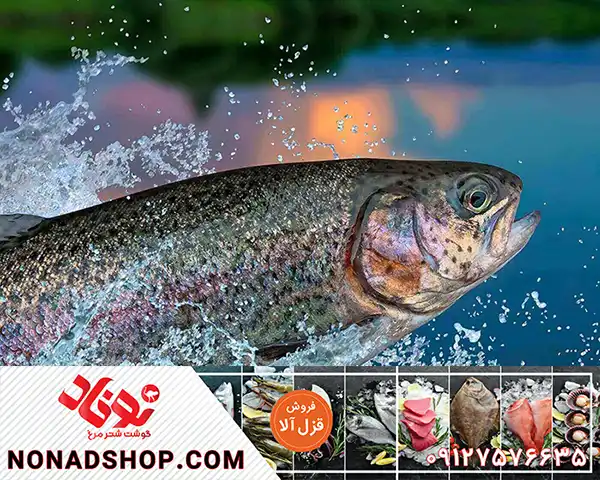
The Strategic Role of Iran’s Fish Exports to Caspian Sea Countries in 2025

Introduction
The Caspian Sea, as the world’s largest enclosed body of water, holds immense potential for developing economic cooperation among its coastal states: Iran, Russia, Kazakhstan, Turkmenistan, and Azerbaijan. In 2025, considering climate changes, the growing global demand for healthy proteins, and geopolitical shifts, Iran’s fisheries industry has secured a prominent position in regional trade as one of the pillars of the maritime economy.
This article examines the role of Iran’s fish and marine product exports to Caspian Sea countries, addressing challenges, opportunities, and the future outlook for this sector in 2025.
Why is Fish Export to the Caspian Region Important
### 1. Geographic Location and Easy Access
Iran’s geographic proximity to neighboring Caspian countries significantly reduces transportation costs. This competitive advantage is vital for perishable goods like fish.
### 2. Growing Demand in Russia and Azerbaijan
Russia and Azerbaijan represent major markets for fish consumption and related products. Due to import restrictions from the West, the demand for alternative protein sources, including Iranian fish, has increased.
### 3. Biodiversity and Product Quality
Iran boasts unique biodiversity in the Caspian Sea (including sturgeon/caviar, shkur, carp, etc.). The high quality of Iran’s fisheries products has gained attention in regional markets.
Target Countries and Market Potentials
### 🇷🇺 Russia: The Main Strategic Market
Russia is the largest consumer of fish in the Caspian region.
High-Demand Products:
– Fresh and frozen fish (Carp, Shkur, White fish)
– Caviar and caviar products (in compliance with CITES regulations)
– Canned fish and processed products
Opportunities in 2025:
– Substituting Iranian products for European and American ones due to sanctions.
– Developing fresh fish exports through the North-South Corridor.
### 🇦🇿 Azerbaijan: A Nearby and Growing Market
Due to close cultural, economic, and political ties, Azerbaijan is a significant market for Iran’s fisheries products.
High-Demand Products:
– Pelagic fish
– Local handmade products
– Caviar (Given Azerbaijan’s active caviar industry, there is potential for cooperation in exporting fish eggs or side products)
Opportunities:
– Direct exports from Iran’s northern ports to Azerbaijani ports (e.g., Baku).
– Cooperation in fish farming industries.
### 🇰🇿 Kazakhstan: An Emerging Market
With a growing middle class and increasing per capita income, Kazakhstan shows rising demand for high-quality food products.
High-Demand Products:
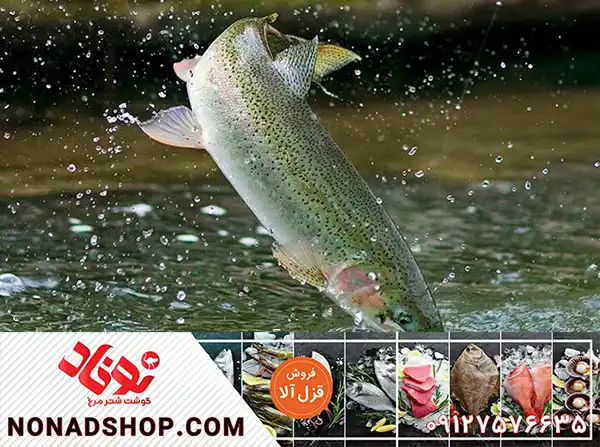
– Farmed fish (especially Trout)
– Seafood snack products
Opportunities:
– Leveraging Kazakhstan as a gateway to the Eurasian Economic Union (EAEU) market.
– Exporting processed fish with modern packaging.
### 🇹🇲 Turkmenistan: A Small but Potential Market
Turkmenistan has a smaller market but relies on imported goods due to limited dietary diversity.
High-Demand Products:
– Low-cost, high-protein fish
– Canned fish
## Challenges of Iran’s Fish Exports to the Caspian Region
### 1. Transportation and Cold Chain Challenges
– Limited Shipping Fleet: Iran possesses a limited fleet in the Caspian Sea, leading to increased costs and transit times.
– Inadequate Cold Chain: Improper temperature control during certain transport stages leads to product spoilage.
### 2. Health and Standards Issues
– Strict Russian Standards: Russia enforces strict health standards for fish imports, which sometimes act as non-tariff barriers.
– Certification Complexity: Difficulties in obtaining international health certifications.
### 3. Financial and Banking Issues
– Payment Transfer Problems: Sanctions make fund transfers from third countries difficult.
– Currency Fluctuations: Exchange rate volatility impacts the final pricing of products in target markets.
### 4. Regional and International Competitors
– Russian Competition: Russia is itself a major fish producer in the region.
– Entry of Products from China and Others: These enter the market with lower prices, posing competitive threats.

Strategies for Developing Fish Exports to the Caspian Region
Technical and Operational Strategies
-
Developing the Cold Chain: Investing in mobile refrigerators and modern cold storage facilities in northern ports.
-
Modern Packaging: Using vacuum packaging and attractive designs for the Russian and Azerbaijani markets.
-
Increasing Value-Added Products: Focusing on exporting processed fish (fillets, smoked, canned) rather than fresh fish, which has a shorter shelf life.
Marketing Strategies
-
Participation in Regional Exhibitions: Attending fisheries exhibitions in Moscow, Baku, and Astana.
-
National Branding: Introducing “Made in Iran” as a quality brand in the Caspian region.
-
E-Commerce Utilization: Using B2B platforms to connect directly with foreign buyers.
Policy Strategies
-
Facilitating Caviar Export: Establishing transparent and legal mechanisms for caviar export, considering environmental sensitivities.
-
Negotiating Standard Equivalency: Working with Russia and Kazakhstan to streamline border crossings.
-
Supporting the Shipping Fleet: Providing subsidies or facilities to shipping companies active in the Caspian Sea.
## Outlook for Iran’s Fish Exports in 2025
Based on current trends, it is projected that:
-
Increased Exports of Farmed Fish: Due to better quality control and lower costs, farmed fish (especially trout) will capture a larger market share.
-
Growth in Exports to Azerbaijan: Given close political and economic relations, Azerbaijan is poised to become the second most important market after Russia.
-
Focus on High-Value Products: Instead of exporting bulk low-cost fish, the focus will shift towards luxury products like caviar and smoked fish.
-
Utilization of the North-South Corridor: This corridor can reduce transportation costs by up to 30%, making exports more viable.
Conclusion
Iran’s fish and marine product exports to Caspian Sea countries in 2025, despite challenges in transportation, finance, and standards, hold high growth potential. The key to success in this path lies in developing the cold chain, increasing product value-added, and smart marketing in target markets.
By leveraging its geographic position and cooperating with neighboring countries, Iran can become one of the key players in the Caspian fish market.
NONADSHOP GROUP



بدون دیدگاه