
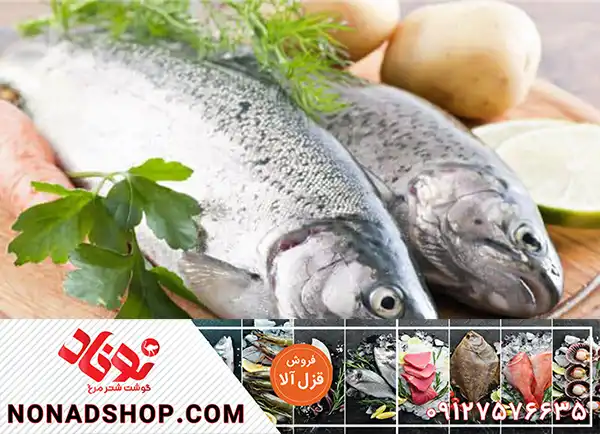
Global Salmon Market: Opportunities and Challenges in the Middle East
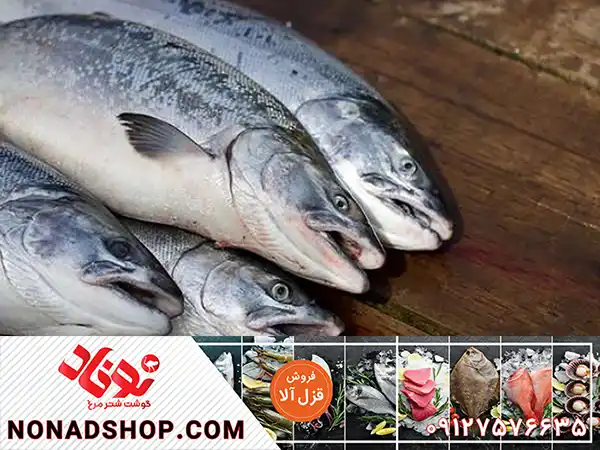
Introduction: Pink Gold in Global Trade
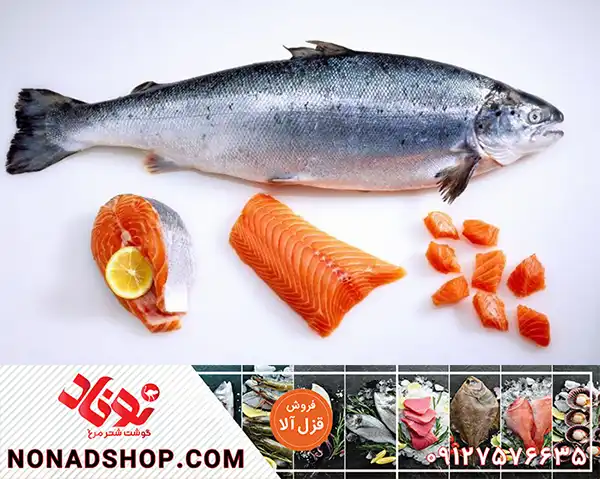
Salmon has secured a special place in global seafood trade as one of the most popular edible fish worldwide. The global market value of this product has reached billions of dollars and continues to experience a growing trend.
Key Players in the Global Salmon Market
Norway: The Unrivaled Giant
Norway is recognized as the world’s largest producer and exporter of salmon. According to recent reports, the value of Norwegian salmon exports reached 7.8 billion Norwegian kroner in just one month. Key markets for Norway include:
-
Poland
-
France
-
United States of America
Turkey: The Rising Star
Turkey has emerged as a new and promising player in salmon production and export. Statistics show that Turkey’s salmon exports reached approximately $217 million in the first half of 2025, representing a 264% growth compared to the same period the previous year.
Chile: The Powerful Competitor
Chile has also established itself as one of the world’s major salmon producers. The harvest of Atlantic salmon in the country was reported at 472,100 tons in one period.
Golden Opportunities in the Middle East Market
Growing Demand

The Middle East has become a high-demand market for salmon due to changing tastes and increased fish consumption among the population. Factors contributing to this demand growth include:
-
Increased focus on healthy nutrition
-
Growth of the middle class in regional countries
-
Development of the hotel and restaurant industry
Leading Countries in the Region
-
United Arab Emirates: Serving as the import hub for food products in the region
-
Qatar: With high per capita income and growing demand
-
Saudi Arabia: With a young population and changing consumption patterns
Iran: Untapped Market with High Potential
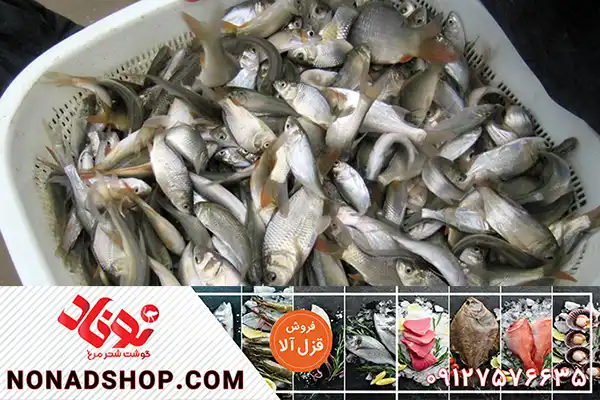
Although Iran is itself a major producer of rainbow trout, it also represents a suitable market for salmon consumption. Rising domestic prices indicate existing demand in this market.
Strategies for Developing Salmon Trade in the Middle East
-
Development of Modern Aquaculture
-
Utilizing cutting-edge technologies in salmon farming
-
Emphasizing international quality standards
-
Obtaining valid international certifications
-
Supply Chain Improvement
-
Investing in modern cooling systems
-
Developing specialized transportation networks
-
Optimizing packaging and storage
-
Market Diversification
-
Identifying new export markets
-
Reducing dependence on traditional markets
-
Developing dedicated branding and marketing
Challenges Ahead
Competition with Major Producers
Competing with countries like Norway and Chile requires:
-
Enhancing product quality
-
Reducing production costs
-
Adhering to international standards
Logistics Issues
Transportation and storage of salmon require advanced and costly systems due to the product’s high sensitivity.
Conclusion
The global salmon market has experienced significant growth, and the Middle East is recognized as a high-potential market in this sector. For success in this market, regional countries need:
-
Investment in modern technologies
-
Development of necessary infrastructure
-
Attention to quality and international standards
Developing the salmon production and export industry can significantly contribute to job creation, increased foreign exchange earnings, and economic diversification in regional countries.
Keywords: Global salmon market, Salmon exports, Salmon trade in the Middle East, Salmon production, Middle East fish market, Salmon investment opportunities




بدون دیدگاه