
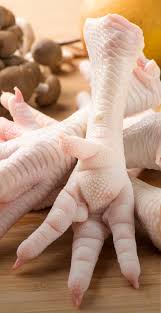
Principles for Preparing Iranian Chicken Paws for Export

Today, the export of chicken paws has become a highly profitable and strategic industry within Iran’s trade of protein products. Given the increasing demand in global markets and the high quality of Iranian chicken paws, adhering to standard preparation principles is essential for export success. This document outlines the complete process for preparing Iranian chicken paws for export.
Leveraging years of export experience, the NONADSHOP company offers cooperation and sales partnerships to merchants looking to enter the export market for this product.
Chicken paw exports play a significant role in the country’s economy. This product not only increases foreign currency earnings but also contributes to job creation across various segments of the production chain, including poultry farming, packaging, and transportation. Furthermore, the development of this industry leads to technological advancement and improved production quality within Iran’s poultry sector.
Processing Stages for Export-Grade Chicken Paws
1. Selection and Purchase from Slaughterhouses While direct purchase from slaughterhouses may offer better prices due to the elimination of intermediaries,the product bought from slaughterhouses will not have the necessary permits for export without undergoing the full processing procedure.
2. Washing and Disinfection The first stage of processing involves a thorough wash to remove any blood residue and contaminants.
3. Peeling and Separation At this stage,the skin of the chicken paw is removed using specialized machinery, and the footpad is separated.
Upon customer request, the claws are separated from the drumstick.
4. Sorting and Grading After the separation stage,the chicken paws are sorted according to export grades. This grading is based on criteria such as weight, size, and the level of breakage.
5. Standard Packaging The packaging of export-grade chicken paws must comply with the standards of the destination country.Typically, the processed paws are offered in two-kilogram packages.
6. Freezing and Storage Finally,the chicken paws are frozen and stored in cold storage at sub-zero temperatures until the time of transportation.
Required Export Licenses:
· Technical permit from the Ministry of Agriculture Jihad
· Technical permit from the Veterinary Organization
· Currency permit from the Ministry of Agriculture Jihad
· Commodity ID for customs clearance
Target Export Markets for Iranian Chicken Paws
China is the primary market for this product due to its culinary and medicinal use of chicken paws. However, exports to China are usually conducted indirectly through third-party ports such as Hong Kong. Besides China, countries in the Persian Gulf region, Central Asia, and the European Union are also considered target markets for Iranian chicken paws.
Challenges in Exporting Chicken Paws
Strategies for Improving the Export Process
1. Standardization of the Production Process: Strict adherence to health and quality protocols.
2. Attractive and Standard Packaging: Tailored to the preferences of the target market.
3. Diversification of Export Markets: Reducing dependence on a single market.
4. Utilization of Modern Technology: Improving production quality and efficiency.
5. Public-Private Sector Cooperation: Facilitating the export process.
The Future of Iran’s Chicken Paw Exports




بدون دیدگاه