

Global Exports of Beluga Fish and Beluga Caviar to Africa
Introduction
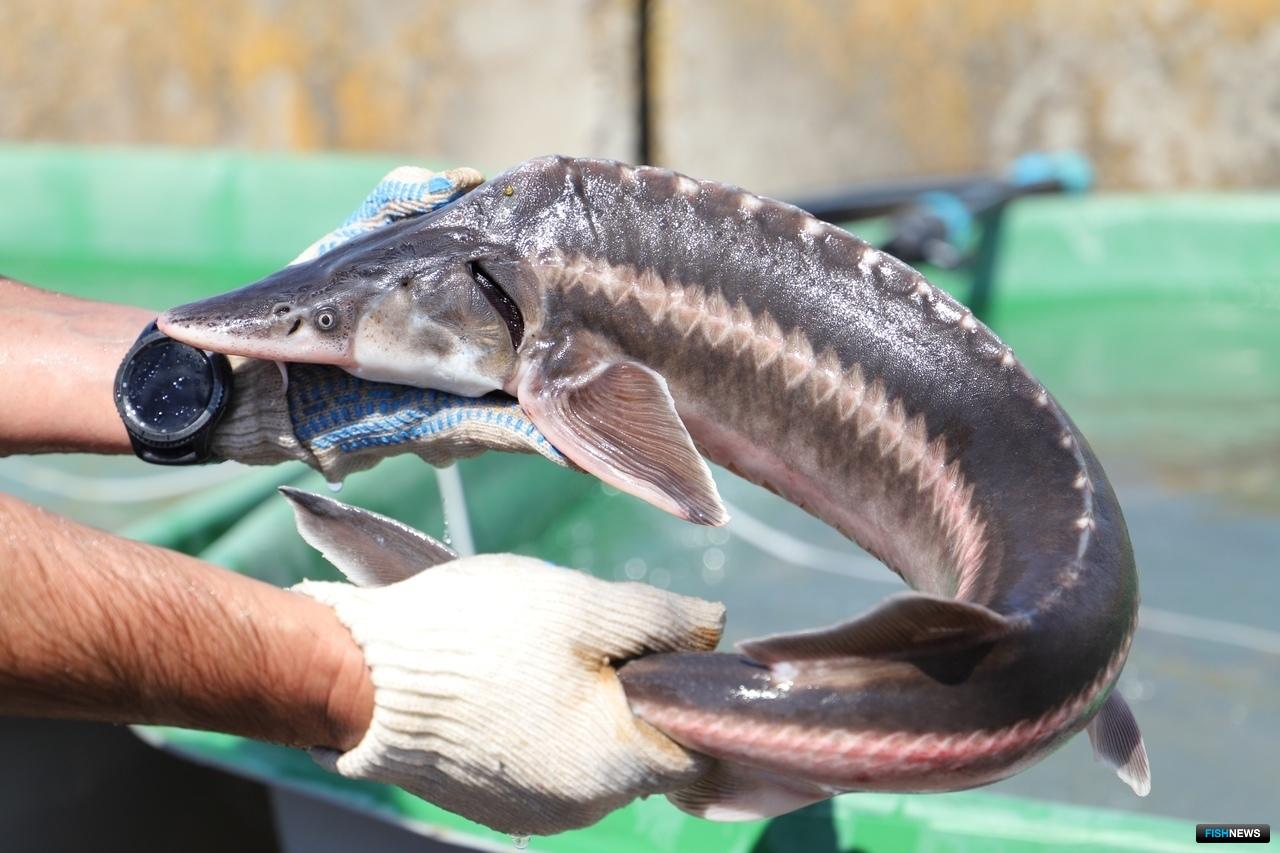
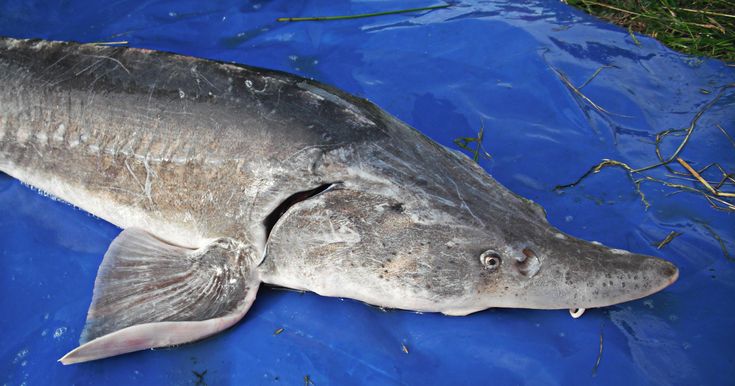
Beluga fish is one of the best-known species of the sturgeon family and has a special position in the international seafood trade because of its highly valued **Beluga caviar**. The global caviar market has expanded beyond traditional markets in Europe, Asia, and North America, while several African markets have also emerged as potential destinations for premium caviar products.
However, the African market is still relatively small compared with the major global caviar markets. International customs statistics also show that trade in caviar and related products remains concentrated in selected African countries. For example, South Africa imported approximately **US$496,000 worth of caviar and caviar substitutes in 2024**.
Global trade statistics indicate that international trade under HS code 160431, which specifically covers caviar, reached approximately **US$233 million in 2024**.
It is important to distinguish between **Beluga fish, Beluga caviar, and other caviar or caviar substitutes**, because international customs databases often group different products under broader commodity classifications.
Beluga’s Position in the Global Caviar Trade
Beluga is one of the most commercially important sturgeon species because of the high value associated with its caviar. Nevertheless, global trade statistics need to distinguish between the fish species itself, the caviar produced from it, and other caviar products or substitutes.
International databases such as WITS frequently report trade under the broader HS code **160430**, covering “Caviar and caviar substitutes.” Therefore, not all trade recorded under this code can be attributed specifically to Beluga caviar.
For this reason, exporters and researchers should use **CITES trade data** when they need to examine the international trade of specific sturgeon species and their products. CITES records international trade involving species protected under the Convention and provides information that can help distinguish species-specific trade from broader customs categories.
Africa’s Position in the Caviar Market
Africa is not a single homogeneous market. Consumer demand for premium seafood products varies considerably between countries.
Markets with developed luxury tourism, five-star hotels, high-end restaurants, and consumers with greater purchasing power may provide more opportunities for premium caviar products.
**South Africa** is an important example. In 2024, the country imported approximately **US$496,000 of caviar and caviar substitutes**, with a reported import volume of more than **12.8 metric tons**.
Major suppliers included countries such as Norway, Italy, Madagascar, Iceland, and China.
These figures demonstrate that there is an established market for caviar-related products in Africa. However, the available customs data should not be interpreted as a direct measurement of Beluga caviar consumption because the statistics cover a wider category of products.
South Africa as a Potential Caviar Market
South Africa is one of the African markets that exporters can examine because of its relatively developed commercial infrastructure, tourism sector, food distribution network, and luxury hospitality industry.
According to 2024 trade data, South Africa imported approximately:
* **US$496,000** worth of caviar and caviar substitutes
* More than **12,800 kilograms** of products
* Approximately **US$289,000** from Norway
* Approximately **US$102,000** from Italy
Iran also appeared among the recorded suppliers, with approximately **US$2,350 and 2 kilograms** of products reported in South African import statistics for 2024.
Although this represents a small trade volume, it demonstrates that there has been recorded commercial trade between Iran and South Africa in the broader caviar category.
For Iranian exporters, this can provide a starting point for researching potential distributors, luxury food importers, and specialized seafood businesses in South Africa.
Re-Export and Regional Distribution of Caviar in Africa
Another important factor is the possibility of regional distribution and re-export.
South Africa exported approximately **US$16,000 worth of caviar and caviar substitutes in 2024**. Recorded destinations included countries such as Botswana, Namibia, Gabon, Eswatini, and Tanzania.
This indicates that some African markets may serve not only domestic consumers but also as distribution points for neighboring countries.
For exporters, this means that entering the African market does not necessarily require establishing direct sales relationships with every individual country. Cooperation with specialized regional distributors may provide an alternative commercial model.
Egypt and North African Markets
Egypt is another African country that appears in international trade statistics for caviar and caviar substitutes.
In 2024, Egypt recorded approximately **US$8,700 in exports** of products within this category, with an export volume of approximately 18 kilograms. In 2023, exports were reported at approximately US$12,600.
However, these figures refer to the broader category of caviar and caviar substitutes and should not be interpreted as specific statistics for Beluga caviar.
Egypt can nevertheless be examined as a potential North African market because of its large consumer base, tourism industry, geographical position, and connections with regional trade networks.
The Role of Iran in Beluga Caviar Exports to Africa
Iran has a long history in the international trade of sturgeon products and caviar.
Historical trade data based on CITES information show that Iran was an important source of legally traded sturgeon caviar during earlier periods. However, historical statistics should not be interpreted as a direct representation of Iran’s current export performance.
For modern Iranian exporters, developing caviar exports to African markets depends on several factors, including:
* CITES compliance
* Legal authorization for international trade
* Veterinary and health certificates
* Product traceability
* Appropriate export packaging
* Cold-chain management
* Product quality
* Competitive pricing
* Reliable transportation
* Cooperation with local importers and distributors
For farmed sturgeon products, demonstrating legal and traceable production can also be an important element of international market access.
Potential African Markets for Beluga Caviar
African markets can be divided into several categories when developing a caviar export strategy.
1. South Africa
South Africa has documented imports of caviar and caviar substitutes and has a developed food distribution and hospitality sector.
### 2. Egypt
Egypt is an important North African market with a large population, tourism industry, and regional trade connections.
### 3. Luxury Tourism Markets
African countries with significant luxury tourism, high-end hotels, resorts, and international restaurants may provide specialized demand for premium caviar.
### 4. Regional Trade and Distribution Centers
Some African countries may serve as regional distribution points through which premium seafood products can reach neighboring markets.
Challenges of Exporting Beluga Caviar to Africa
Exporting caviar to Africa involves more than simply finding a buyer. Sturgeon products are subject to specific international and national regulations.
### CITES Requirements
International trade in many sturgeon species is regulated under **CITES**. Exporters must verify the legal status of the species, source of production, documentation, and required permits before shipment.
### Cold Chain
Caviar is a sensitive food product. Maintaining appropriate temperature conditions during storage and transportation is essential for preserving quality.
### Export Packaging
Packaging must protect the product during international transportation while meeting the requirements of the destination market.
### Transportation Costs
Because caviar is a high-value product, transportation speed, security, temperature control, and reliability can have a significant impact on the final cost.
### Market Size
Caviar consumption remains relatively specialized in many African countries. Demand is generally more concentrated in premium restaurants, luxury hotels, gourmet food markets, and high-income consumer segments.
The Outlook for Beluga Caviar Trade in Africa
Available trade statistics indicate that **Africa currently represents a relatively small part of the global caviar market**. However, this does not mean that the continent lacks commercial opportunities.
South Africa’s recorded imports demonstrate the existence of a market for caviar-related products. At the same time, South Africa’s exports to other African countries indicate that regional distribution networks can also play a role in the trade.
For Iranian exporters, Africa can therefore be considered a **specialized and developing market** rather than a market comparable in scale with the world’s largest caviar-consuming regions.
Potential growth areas may include:
* Premium restaurants
* Luxury hotels and resorts
* Gourmet food distributors
* High-end supermarkets
* Seafood importers
* Regional distribution companies
* Luxury tourism destinations

Conclusion
The export of **Beluga fish and, particularly, Beluga caviar to Africa** remains relatively limited compared with global caviar trade. Nevertheless, available trade data indicate that countries such as South Africa have an established market for caviar and related products, while Egypt and other African markets also participate in this trade.
For Iranian exporters, Africa can provide an opportunity to diversify caviar export destinations beyond traditional markets. Successful market development requires attention to **CITES regulations, legal production, product traceability, quality standards, cold-chain logistics, professional packaging, competitive pricing, and cooperation with qualified African importers and distributors**.
The most important point for commercial research is that customs statistics for “caviar and caviar substitutes” should **not automatically be presented as statistics for Beluga caviar alone**. Detailed species-level analysis requires specialized sources such as CITES trade data.
This distinction is particularly important when preparing professional export reports, market studies, and SEO content about **Beluga caviar exports from Iran to Africa**.
for more info call us in
nonadshop.com

parvisico.com



بدون دیدگاه