
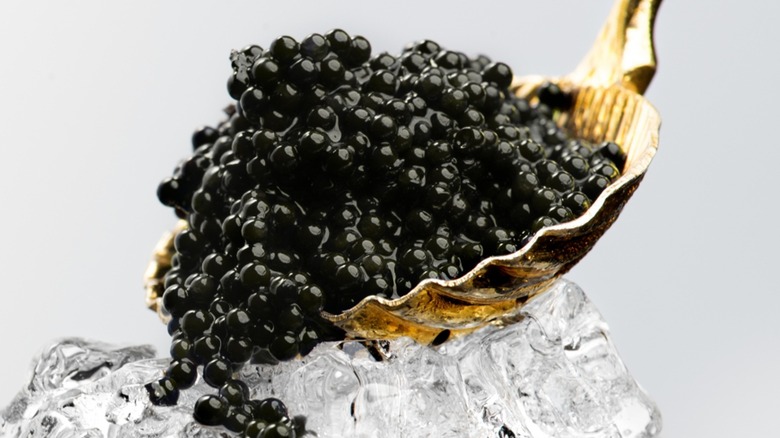
The Best Target Markets for Iranian Caviar Exports in 2026
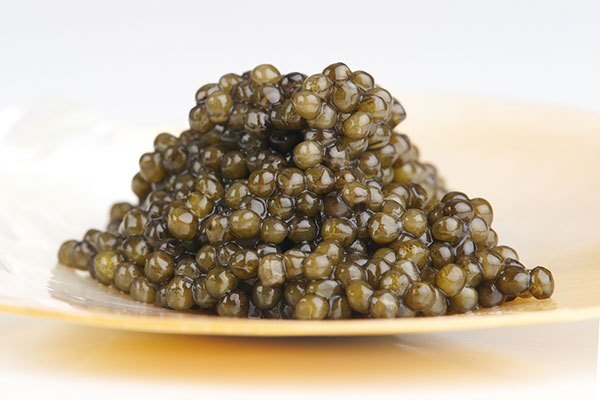
Iran’s caviar industry is on a remarkable growth trajectory. According to the latest figures, Iranian caviar exports in the year ending March 2025 reached 7,100 kilograms, valued at $4.2 million — a roughly 60% increase in export volume compared to 4,800 kilograms worth $3.188 million two years earlier. In the first half of the Iranian year 1404 (starting March 2025), 3,540 kilograms of caviar were exported, valued at $2.315 million, marking a 44% rise in value compared to the same period the previous year.
Total Iranian caviar production reached 25.1 tons last year, and with the current upward trend, exports are projected to surpass 8 tons by the end of the Iranian year in March 2026.
-
United Arab Emirates (Dubai): The Gateway for Iranian Caviar Re-Exports
The UAE is Iran’s most important caviar export destination. The reasons for this priority include
-
Re-export: A significant portion of the caviar shipped to the UAE is re-exported through Dubai to markets in Europe, East Asia, and the Americas.
-
Strong logistics infrastructure: Dubai’s airports and seaports enable rapid transportation of temperature-sensitive shipments.
-
Geographic proximity and lower transport costs: The short distance from Iran reduces the expense of refrigerated container shipping.
-
Relative transparency in banking transactions: Amid sanctions, financial channels through the UAE remain active.
Note for exporters: Attending specialized trade shows in Dubai (such as Gulfood) and obtaining Halal certification for caviar destined for this market is essential.
-
The European Union (Germany, Belgium, France, Italy, Spain): A Lucrative Luxury Market
European countries like Belgium are among the traditional and highly enthusiastic buyers of Iranian caviar. The wholesale price of Iranian export caviar in European markets ranges from €1,000 to €1,300, while retail prices reach €3,000 to €4,000.
Requirements for Entering the European Market
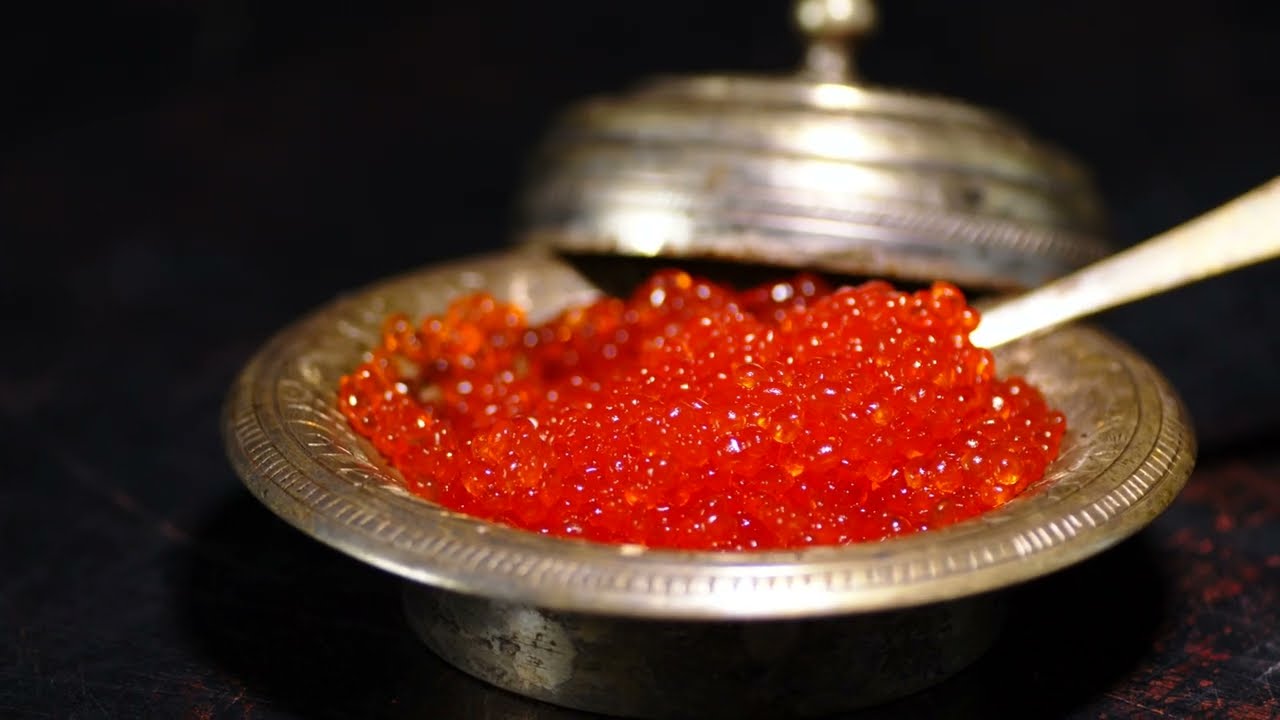
Certificate / Standard Application
CITES Mandatory permit under the Convention on International Trade in Endangered Species
HACCP Hazard Analysis and Critical Control Points system
ISO 22000 Comprehensive food safety management standard
Veterinary Health Certificate Confirmation of product health
Key point: Because the European Union prohibits commercial fishing of sturgeon from the Caspian Sea, it only accepts farm-raised caviar with complete documentation. Iranian caviar must carry a CITES tracking code to prove its farmed origin.
Warning for exporters: In 2023, Iranian caviar exports to Europe faced difficulties due to certain regulatory hurdles. Ensuring all permits are up to date is vital for stable access to this market.
-
China: The World’s Largest Caviar Consumer Market
Today, China is the largest producer and exporter of caviar globally, holding about 30% of the world market. Nevertheless, China’s domestic market is also a huge consumer, and Iranian caviar — especially Beluga, due to its superior quality — holds a special place there.
Advantages and Challenges

-
Massive scale of the consumer market: China’s growing affluent class has an increasing appetite for luxury goods.
-
Branding challenge: To succeed in China, Iranian caviar needs a strong digital marketing strategy and professional branding.
-
Luxury packaging: Chinese buyers place significant importance on elegant, gift-worthy packaging.
-
Russia and CIS Countries: A Traditional Market with New Opportunities
After Iran, Russia is the world’s second-largest producer of Beluga caviar. Despite the competition, the Russian market and the broader CIS region still hold attractive potential:
-
Recognition of the Iranian caviar brand: Russian consumers are well acquainted with the quality of Iranian caviar.
-
Demand for specific Beluga varieties: While Russia produces its own caviar, Iranian Imperial Beluga still has buyers.
-
Overland transportation: Geographic proximity simplifies logistics.
Important note: Russia enforces the strict standards of the Eurasian Customs Union. Obtaining an EAC Certificate of Conformity is mandatory for entering this market.
-
Japan and South Korea: High-Income, Quality-Obsessed Markets
Japan and South Korea are among the countries with the highest per capita caviar consumption in the world. Consumers in these markets place particular importance on product freshness, superb quality, and hygienic packaging.
Export Requirements for These Markets
-
Fast air freight: Caviar must be transported in the shortest possible time under a strict cold chain.
-
Precise health certifications: Japan’s stringent standards (JAS) and South Korea’s equivalent requirements must be met.
-
Direct marketing: Establishing direct connections with luxury restaurants and international hotels is recommended.
-
The United States of America: The Largest Importer, but Complicated
The United States is the largest importer of caviar in the world. However, direct exports from Iran to the U.S. face serious challenges due to sanctions. That said, Iranian caviar reaches the American market via third countries (particularly through Dubai).
-
Arab Gulf Countries (Qatar, Kuwait, Oman, Saudi Arabia)
Beyond the UAE, other Arab nations are also growing markets for Iranian caviar. Qatar is one of the top three importers of Iranian caviar. Characteristics of these markets include:
-
High demand from luxury hotels and restaurants: The hospitality and tourism industry thrives in these countries.
-
Aristocratic gatherings and banquets: Caviar consumption is widespread at lavish events and receptions.
-
Halal certification: Obtaining this certificate is essential for Arab markets.
-
Emerging and High-Potential Markets
In addition to the primary markets above, the following countries also offer considerable potential for the expansion of Iranian caviar exports in 2026:
-
Australia and New Zealand: Small markets with high purchasing power.
-
India: A rapidly growing affluent class and rising demand for luxury products.
-
Canada: An Iranian diaspora community and interest in Iranian products.
-
Brazil and Mexico: Emerging Latin American markets with growth potential.
Strategic Tips for Successful Caviar Exports in 2026
-
a) Obtaining Essential Permits
-
CITES permit: The most important international license for exporting caviar, issued by Iran’s Department of Environment under the supervision of the CITES convention.
-
Veterinary health certificate: Exporting caviar without the approval of the Iran Veterinary Organization is impossible.
-
HACCP and ISO 22000 certificates: Essential for European and other advanced markets.
-
Halal certificate: Mandatory for Islamic country markets.
-
b) Managing Transportation Challenges
Caviar is an extremely temperature-sensitive product and must be transported in a cold chain at -2 to 0 degrees Celsius. Choosing a reliable logistics partner experienced in handling refrigerated goods and securing comprehensive cargo insurance is a necessity.
-
c) Navigating Banking and Sanctions Challenges
Banking transaction difficulties caused by sanctions are among the biggest hurdles in Iranian caviar exports. Suggested solutions:
-
Using reputable exchange houses and alternative financial routes.
-
Cooperating with intermediary companies in third countries.
-
Utilizing digital currencies in full compliance with domestic regulations.
-
d) Marketing and Branding
Iranian caviar ranks at the top globally in terms of quality, yet it suffers from weak global branding and marketing. While Iran ranks 14th in the world in caviar export value, it holds the highest average unit price. To increase market share:
-
Create a distinctive brand with professional packaging.
-
Participate in international food industry trade shows (Gulfood, Anuga, SIAL).
-
Leverage B2B online sales and e-commerce platforms.
-
e) Professional Packaging
The packaging of export caviar must not only preserve quality but also have the graphic design appeal required for luxury markets. Metal tins with gold coating, wooden boxes, and gift packaging are among the popular options.
Summary
The direction of Iranian caviar exports in 2026 can be distilled into three main paths: 1) Maintaining and expanding traditional markets (UAE, Europe, Russia); 2) Targeted penetration in emerging Asian markets (China, India, South Korea); 3) Effective marketing in countries with high purchasing power (Japan, Australia, Canada).
The secret to success for Iranian exporters lies not in production (in which Iran is a leader), but rather in the professional management of the supply chain, strict adherence to international standards, and intelligent branding.
Legal warning: Exporting caviar without a CITES permit is considered a crime and is subject to heavy fines and legal prosecution on both sides of the border. Always ensure all legal permits are up to date before taking any export action.
WITH OUR EXPERIENCE IN
NONADSHOP COMPANY
http://parvisico.com
YOU CAN GET OUR INFO FOR EXPORT CAVIAR

بدون دیدگاه