
Comprehensive SWOT Analysis of Salmon Exports from Russia: Challenges and Prospects of an Emerging Power
Abstract
Russia’s salmon industry stands on the brink of a major transformation. With vast natural stocks of wild salmon in the Far East and ambitious state programs for aquaculture development, the country has the potential to become a key global player. However, the path forward is paved with complex structural domestic obstacles and geopolitical and environmental challenges. This article provides a comprehensive analysis of the strengths, weaknesses, opportunities, and threats facing Russia’s salmon exports and offers a strategic roadmap for realizing this potential.
-
Introduction
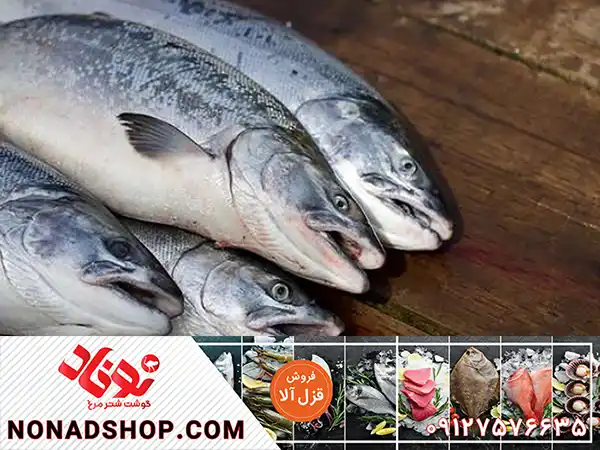
As one of the world’s largest holders of fish resources, Russia has always held a significant share of the global market. In the salmon sector, the country holds a dual position: on one hand, it is one of the world’s largest harvesters of Pacific (wild) salmon; on the other, it is a developing country in the farming of Atlantic (farmed) salmon. International sanctions and food self-sufficiency policies have recently increased focus on developing this industry. A precise understanding of the internal and external factors affecting this industry is essential for mapping its future.
-
SWOT Analysis of Russia’s Salmon Exports
Strengths

-
Rich Natural Resources and Vast Wild Salmon Stocks: Russia annually harvests hundreds of thousands of tons of Pacific salmon in the Far East, forming the historical basis of its exports.
-
State-Level Planning for Aquaculture Development: With the goal of doubling the production of farmed salmon and trout by 2030, the government has created a legal and incentive framework.
-
Access to Large, High-Demand Markets: Proximity to massive consumer markets in Asia, such as China, South Korea, and Japan, is a key logistical advantage.
-
Rapid Growth in the Wild-Catch Sector: According to market analyses, Russia has the fastest growth rate among global wild salmon producers.
-
Strength in Overall Frozen Fish Exports: With a 17.4% share of global frozen fish exports, Russia holds a solid position in global trade, providing a suitable platform for salmon exports.
Weaknesses

-
Lack of Efficient Logistical Infrastructure in the Far East: A primary issue is transporting harvested fish from the east to populous western domestic markets or Europe, requiring transport over 9,000 kilometers by rail.
-
Geographical Concentration and Immature Aquaculture Structure: 70% of farmed salmon production is concentrated in the Northwestern region, with the remainder largely produced in small, scattered farms with relatively low efficiency.
-
Lower Product Cost Price on the Global Market: The average price of Russian frozen fish is significantly lower (about 38%) than the global average due to species mix and geopolitical factors.
-
Dependence on Indirect Export Routes: Part of Russia’s salmon exports to the European Union (e.g., Germany) occurs indirectly via processing in a third country (e.g., China), which reduces value addition.
-
Natural Challenges for Aquaculture Development in the Far East: Harsh climatic conditions, lack of protected bays, and extremely low water temperatures in winter make developing sea-based farms costly and complex.
Opportunities

-
Growing Global Demand for Healthy Protein: The global trend of consuming fish as a healthy and sustainable protein source is growing, with emerging Asian markets being the main driver.
-
Development of Novel Aquaculture Technologies (RAS): Recirculating Aquaculture Systems (RAS) enable the establishment of farms inland and closer to consumer markets, reducing dependence on coastal conditions.
-
Increasing Domestic Consumption and Import Substitution Policy: The government’s program to achieve self-sufficiency creates a vibrant domestic market and directs surplus production towards exports.
-
Diversification into Value-Added Products: Moving towards producing final products like salmon fillets, smoked salmon, or ready-to-eat meals can increase profitability and market penetration.
-
Collaboration with Foreign Investors and Technology Providers: Although affected by sanctions, there is potential to attract technical expertise and joint investment in large aquaculture projects.
Threats

-
International Sanctions and Market Access Restrictions: Sanctions limit access to capital, technology, and certain markets, creating non-tariff barriers and increasing trade costs.
-
Climate Change and Ecological Volatility: Phenomena like severe heatwaves (as experienced on Sakhalin Island) can drastically reduce wild catches and alter fish migration patterns.
-
Tax Pressure and Rising Production Costs: The imposition of export duties on fish and increased tax pressure can weaken Russia’s price competitiveness in the global market.
-
Intense Competition with Established Producers: Competing with powers like Norway and Chile, which have highly efficient supply chains, strong brands, and easy access to key markets, is a major challenge.
-
Geopolitical Risks and Regional Instability: Conflicts can halt bilateral fisheries cooperation (e.g., with Japan) and disrupt the international business environment.
-
Conclusion and Proposed Strategies
Russia’s salmon industry stands at the crossroads of rich natural resources and political will for development. However, structural weaknesses, particularly in logistics and farming infrastructure, and external threats from sanctions and climate change pose profound challenges.
Key Strategies for Success
-
Focus on Asian and Eurasian Markets: Prioritize developing processing and transport infrastructure in the Far East for direct, value-added exports to markets like China and Southeast Asia.
-
Shift from Raw Material Exports to Value-Added Products: Invest in modern processing plants near fishing ports to increase profits and reduce dependence on indirect routes.
-
Promote Investment in Novel Technologies (RAS): Encourage the establishment of RAS farms in central and western Russia to be closer to domestic and European markets and reduce environmental risks.
-
Strengthen Regional Cooperation and Economic Diplomacy: Utilize the potential of regional organizations to maintain and expand trade corridors affected by sanctions.
-
Build a National Brand Emphasizing Quality and Sustainability: Develop credible national standards and craft a narrative around pristine natural resources and responsible production to differentiate in the global market.
Ultimately, the future of Russia’s salmon exports depends less on the abundance of natural resources alone and more on the country’s ability to address internal weaknesses, adapt to new technologies, and skillfully manage geopolitical challenges.

According last update of trade and export salmon from iran border
You can contact with us for salmon export
Nonadshop



بدون دیدگاه