
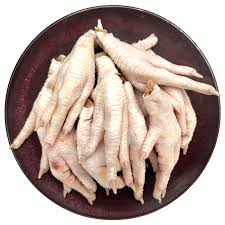
New Technologies in the Export of Iranian Chicken Feet for Europe and Other Importing Markets

Introduction
The export market for chicken feet — particularly in Europe, Southeast Asia, and the Middle East — demands products with high sanitary standards, reliable cold chains, and full traceability.
By adopting modern technologies in processing, rapid freezing, packaging, and digital tracking, Iranian exporters can significantly boost their access to high-value and highly regulated markets like the European Union.
Why Technology Matters
-
Quality and Safety: Modern HACCP-based and microbiological control technologies ensure that the final product meets food safety standards.
-
Freshness and Texture Retention: IQF (Individual Quick Freezing) and blast freezing technologies preserve the texture, color, and freshness of chicken feet for longer shelf life.
-
Market Access: Compliance with EU-approved processing plants and veterinary certification systems is crucial for entering premium import markets.
Key Technologies in Chicken Feet Processing
-
Automated Cutting, Washing, and Grading Lines
Automated machinery for washing, sanitizing, and grading chicken feet (by size and quality) increases throughput and minimizes human error.
Robotic and semi-automated packaging solutions improve productivity and ensure consistent quality control.
-
Rapid Freezing (IQF / Blast Freezing)
IQF and tunnel freezing systems are standard in poultry by-product exports. They prevent ice crystal formation, preserve natural texture, and maintain food safety throughout storage and shipping.
-
Advanced Packaging Technologies (MAP & Vacuum Sealing)
Modified Atmosphere Packaging (MAP) and vacuum packaging extend shelf life by reducing oxidation and surface contamination — ideal for long-distance shipping to Europe or East Asia.
Logistics and Cold Chain Technology
Temperature Tracking and IoT Integration
Smart sensors and IoT platforms can record and transmit real-time data on temperature, humidity, and cargo location during transit (by ship, rail, or air).
This transparency helps build trust with buyers and ensures compliance with import regulations.
Blockchain for Traceability and Transparency
Blockchain-based systems can securely record product history — including temperature logs, processing details, and veterinary certificates — creating tamper-proof transparency across the supply chain.
This emerging technology enhances buyer confidence and can serve as a competitive advantage for Iranian exporters.
Certified Cold Storage and Transport
For EU-bound exports, only approved cold storages and transport facilities are authorized. Coordination with veterinary and customs authorities in Iran is crucial to obtain necessary approvals.
Compliance with EU and International Standards
-
Official Certifications: Exports to the EU require veterinary health certificates and registration of facilities on the EU-approved list.
-
HACCP and ISO Systems: Implementing food safety systems like HACCP and ISO 22000 increases buyer confidence and ensures easier acceptance in strict import markets.
-
Disease Control Protocols: Maintaining transparent veterinary records and monitoring for avian diseases is mandatory for maintaining export eligibility.
Packaging, Labeling, and Documentation

-
Clear labeling must include: country of origin, storage conditions, production/expiry date, and establishment ID.
-
Essential documents include veterinary certificates, Certificates of Analysis (COA), and cold chain monitoring reports.
-
Digital or paper logs verifying temperature consistency during shipment help ensure compliance at customs inspection.
Practical Recommendations for Iranian Exporters
-
Invest Gradually in IQF and Automation: Start with a medium-capacity IQF line, then add automatic grading and packaging modules.
-
Implement IoT or Blockchain Tracking (optional but recommended): Even basic digital temperature recorders can significantly improve contract reliability.
-
Work with Certified Cold Chain Partners: Verify that storage and transport companies are approved by relevant authorities in destination countries.
-
Stay Updated on Destination Regulations: Continuously monitor EU and target-market regulations to avoid export rejections.
Executive Summary
-
Meeting international sanitary standards and obtaining proper certifications are essential for entry into regulated markets like the EU.
-
Investing in IQF, automation, and IoT tracking systems yields a high return through improved efficiency and credibility.
-
Transparent documentation — veterinary, temperature, and production records — minimizes shipment rejection risks and enhances buyer trust.

NONADSHOP
GROUP
BUSINESS COMPANY WITH FOCUS IN EXPORT AND TRADE HEN FEET TO ALL THE WORLD READY FOR PRAPER EXPORT AND INTERNATIONAL AGREEMENT WITH BUSINESS MAN IN OTHER COUNTRIES.

بدون دیدگاه